





Governador Jerônimo Rodrigues anuncia convocação de candidatos do concurso para soldado da PM
 8/abr/2025 . 14:20

Matheus Landim/GOVBA
O governador Jerônimo Rodrigues anunciou a convocação dos aprovados para a turma 3 do concurso para soldado da Polícia Militar da Bahia (PM), nesta segunda-feira (7), durante a transmissão ao vivo do podcast “Fala, Jero!”. Os convocados deverão apresentar toda documentação para a próxima etapa. A medida beneficiará 1.919 futuros policiais, que serão chamados para realizar os testes físicos e, em seguida, iniciar o curso de formação na Polícia Militar.
Com esse anúncio, Jerônimo Rodrigues reforça o compromisso da gestão com a valorização da segurança pública e o incentivo ao ingresso de novos profissionais para fortalecer a atuação da Polícia Militar na Bahia. “Amanhã, terça-feira (8), estará publicado no Diário Oficial do Estado. E até agosto nós iniciaremos. Sucesso a todos e sejam bem-vindos ao serviço público do Estado, para garantir a tranquilidade e segurança de todos nós”, completou o governador.
De acordo com o secretário de Segurança Pública, Marcelo Werner, “a medida fará com que nós tenhamos mais policiais, mais reforço na segurança pública. Esse é o governador que cuida da gente, cuida de gente e que fortalece cada vez mais a segurança pública do nosso estado, com muitas ações integradas, de inteligência e muitos investimentos, como esse que a gente acaba de anunciar”.
O comandante-geral da Policia Militar, coronel Antônio Carlos Silva Magalhães, pontuou que “isso demonstra a sensibilidade do nosso governador com a Segurança Pública. Só temos a agradecê-lo”.
 Publicado em
‘Operação Prisma’ é deflagrada pelo MPBA e PF contra esquema de fraudes bancárias na Bahia
8/abr/2025 . 14:17

Prefeitura de Ilhéus distribuirá 30 toneladas de peixe nos dias 10 e 11 de abril
8/abr/2025 . 14:06

A Prefeitura de Ilhéus, por meio da Secretaria de Promoção Social e Combate à Pobreza (SPS), realizará no próximo dia 15 de abril a entrega de 30 mil quilos de peixe a famílias em situação de maior vulnerabilidade social. A ação faz parte da campanha “Esperança na Mesa”, que tem como objetivo proporcionar uma Semana Santa mais digna e alegre à população ilheense.
A entrega será feita mediante apresentação de um voucher, que será distribuído nos dias 10 e 11 de abril, das 08h às 16h, nas unidades do Centro de Referência da Assistência Social (CRAS). As datas serão divididas em ordem alfabética do nome do responsável familiar:
10 de abril – Iniciais de A a L
11 de abril – Iniciais de M a Z
Para ter direito ao voucher, é necessário ser beneficiário do CadÚnico ou estar referenciado pelo CRAS, apresentar comprovante de cadastro no CadÚnico (caso possua), documento com foto e CPF, além de possuir renda per capita de até R$ 218,00.
As unidades do CRAS atenderão diferentes localidades do município, conforme a seguinte divisão:
CRAS Norte:
Basílio, São Miguel, Malhado, São Domingos, Iguape, Conquista, Barra, Centro, Rombudos, Cascalheira, Savóia, Avenida Ubaitaba, parte alta da Princesa Isabel, Avenida Esperança, Tapera, Vila Freitas, Centro Social Urbano (CSU), Sete, Itacanoeira, Rua do Cano, Rua da Horta, Alto do Coqueiro, Alto da Soledade, Alto da Esperança, Alto do Seringal e Alto da Legião.
Endereço: Avenida Raimundo Sá Barreto, 539, Jardim Savóia
CRAS Vilela:
Teotônio Vilela, Vila Nazaré, Floresta Bambuzal e Manguezal, Avenida Luiz Gama, parte da Avenida Princesa Isabel, parte da Avenida Esperança e Residencial Vilela.
Endereço: Avenida Governador Paulo Souto, 625, Teotônio Vilela
CRAS Nossa Senhora da Vitória – Sul:
Sapetinga, Pontal, Nova Brasília, Proa, Nelson Costa, Mambape, Jardim Atlântico, São Francisco, Ceplus, Barreira, Hernani Sá/Urbis, Nossa Senhora da Vitória, Ilhéus II, Couto, Santo Antônio, Sol e Mar, Rio do Engenho, Cururupe e Assentamento Cosme Muniz (Repartimento), após Santo Antônio.
Endereço: Rodovia Ilhéus-Buerarema, Km 1, 0, Nossa Senhora da Vitória
CRAS Salobrinho:
Apaut, Salobrinho, Residencial Salobrinho, Frey Vantuir, Porto Seco, Japu e Serrado.
Endereço: Rua São José, 1, Salobrinho
CRAS Banco da Vitória:
Residencial Rio Cachoeira, Morada do Porto, Amola Chifre, Maria Jape, Vila Cachoeira e Banco da Vitória.
Endereço: Rua Duque de Caxias, 154, Banco da Vitoria
CRAS Olivença:
Urupitanga, Cururutinga, Pixixica, Serra Negra, Campo São Pedro, Gravatá, Águas de Olivença e Olivença, Acuípes, Mamão, Lagoa do Mabaço, Santana, Sapucaeira, Serra do Serrote, Santaninha, Serra das Tempres, Serra do Padeiro, Maruim, Jairy e Siriyba.
Endereço: Praça Claudio Magalhães, 8, Olivença
Roulette Strategies and Tips for Success
8/abr/2025 . 12:10
Roulette is a game of chance, but many players believe that employing specific strategies can enhance their odds of winning. However, it’s essential to approach these strategies with a healthy dose of scepticism. Here’s a straightforward overview of common strategies, their effectiveness, and what you should know before placing your bets at places like Fortuneclock Casino UK.
What is the best strategy for winning at roulette?
There is no definitive best strategy for winning at roulette. The game is governed by random chance, and each spin is independent of the last. However, some players swear by strategies like the Martingale system, where you double your bet after every loss, or the Fibonacci strategy, which follows a sequence of numbers to determine betting amounts. While these methods can provide a structured approach, they also come with significant risks, particularly in terms of your bankroll. A losing streak can lead to substantial losses, especially with the Martingale system, as it requires a large bankroll and can hit table limits quickly.
Are the odds different between European and American roulette?
Yes, the odds vary significantly between European and American roulette. European roulette features a single zero, giving it a house edge of approximately 2.7%. In contrast, American roulette has both a single zero and a double zero, resulting in a house edge of about 5.26%. This means that your chances of winning are better on the European variant, making it the preferred choice for many seasoned players.
| Type of Roulette | House Edge | Zeroes |
|---|---|---|
| European Roulette | 2.7% | 1 (Single Zero) |
| American Roulette | 5.26% | 2 (Single & Double Zero) |
Can I increase my chances of winning at roulette?
While you cannot change the odds of the game, you can manage your bankroll effectively and choose bets wisely. Outside bets (such as red/black or odd/even) have a higher probability of winning than inside bets (like specific numbers), albeit at lower payouts. For instance, betting on red or black gives you almost a 50% chance of winning but pays 1:1. On the other hand, betting on a single number pays 35:1 but has a much lower chance of hitting.
What are the risks of using betting systems in roulette?
Betting systems can provide a sense of control, but they can also lead to significant financial losses. Most systems do not change the inherent odds of the game and can encourage reckless betting behaviour. For instance, the Martingale strategy may seem appealing, but if you face a long losing streak, you could quickly find yourself betting amounts that exceed your limits or the table maximum. Always remember to gamble responsibly and set strict limits for yourself.
Common Myths about Roulette Strategies
- Myth 1: “Winning streaks can predict future outcomes.” – Each spin is random, and previous outcomes do not influence future results.
- Myth 2: “There are strategies that guarantee a win.” – No strategy can guarantee a win in a game of chance like roulette.
- Myth 3: “The house always wins, so don’t bother playing.” – While the house has an edge, many players enjoy the game and win within their limits.
- Myth 4: “You can beat the roulette wheel.” – The game is designed to profit the casino; long-term winning is improbable.
Final Thoughts on Roulette Strategies
Understanding roulette strategies is essential for any player, but it’s critical to remain realistic about the odds and risks involved. Always play within your means, and remember that while strategies can enhance your experience, they do not change the fundamental nature of the game. As regulated by the UK Gambling Commission (UKGC), all licensed casinos, including online platforms, should provide transparent information about odds and payouts. Stay informed, stay safe, and enjoy the thrill of the game responsibly.
Innovative Ansätze im Wassermanagement: IoT, Machine Learning und intelligente Überwachungssysteme
7/abr/2025 . 22:24
Das Wasser – eine lebenswichtige Ressource – steht zunehmend im Fokus einer nachhaltigen und effizienten Verwaltung. Mit der rasanten Entwicklung digitaler Technologien verschiebt sich das Paradigma im Wassermanagement grundlegend. Heute sind intelligente Systeme, die auf Internet of Things (IoT) und Machine Learning (ML) basieren, unerlässlich, um Wasserverluste zu minimieren, die Wasserqualität zu sichern und Ressourcen optimal zu verwalten. In diesem Beitrag beleuchten wir, wie diese Technologien das Wasser-Ökosystem transformieren, und warum professionelle Akteure auf interdisziplinäre Lösungen setzen, die durch innovative Anbieter wie zur winshark webseite gehen unterstützt werden.
Die digitale Revolution im Wassersektor: Trends und Herausforderungen
Der globale Wassersektor sieht sich gegenwärtig vielfältigen Herausforderungen gegenüber: demografischer Wandel, Klimawandel, Verschmutzung und einer unzureichenden Infrastruktur. Laut einer Studie der UNESCO “State of the World’s Water 2023” verliert weltweit jährlich mehr als 20% des verfügbaren Wassers durch Leckagen und ineffiziente Systeme. Hier setzen digitale Technologien an, um diese Verluste zu reduzieren und die Versorgungssicherheit zu erhöhen.
Insbesondere IoT-Sensoren revolutionieren die Überwachung der Wassernetze. Durch die kontinuierliche Datenerfassung lassen sich Leckagen in Echtzeit detektieren, wodurch kostspielige Wasserschäden minimiert werden. Gleichzeitig bieten Machine Learning-Modelle die Möglichkeit, anhand historischer und aktueller Daten Vorhersagemodelle zu entwickeln, die Optimierungspotenziale aufdecken und präventive Wartung erleichtern.
IoT und Machine Learning: Synergie für das intelligente Wassermanagement
| Technologie | Funktionen | Vorteile |
|---|---|---|
| IoT-Sensoren | Messung von Durchfluss, Druck, Wasserqualität in Echtzeit | Frühzeitige Leckerkennung, genaue Verbrauchsdaten |
| Machine Learning | Verarbeitung großer Datenmengen, Mustererkennung, Prognosen | Effizienzsteigerung, proaktive Wartung, Kostenreduktion |
„Die Integration von IoT und ML steigert die Transparenz und Reaktionsfähigkeit bei der Wasserverwaltung erheblich.“ – Branchenanalyst
Ein konkretes Beispiel ist die intelligente Wasserleitung, bei der Sensoren in Netzleitungen angeschlossen sind und Daten an zentrale Steuerungssysteme senden. Hier analysieren ML-Algorithmen die Sensorinformationen, um mögliche Leckagen frühzeitig zu erkennen. Die Folge: weniger Wasserverlust, geringere Kosten und eine nachhaltigere Nutzung der Ressource.
Praxisbeispiel: Innovative Lösungen für Kommunen und Wasserversorger
Verschiedene Kommunen nutzen bereits diese Technologien, um ihre Wasserinfrastruktur zu modernisieren. So demonstriert die Stadt XYZ in einem Pilotprojekt, dass durch den Einsatz von IoT-basierten Sensoren und Machine Learning die Leckagequote um 40% gesenkt werden konnte. Überwachungssysteme, die durch KI-basierte Analyse unterstützt werden, ermöglichen eine frühzeitige Intervention, bevor kleinere Probleme zu großen Katastrophen führen.
Darüber hinaus sind sich Experten einig, dass die Kombination von digitalen Lösungen mit nachhaltigen Wassermanagement-Strategien den Weg für eine ressourcenschonende Zukunft ebnet. Innovative Plattformen, die diese Technologien bündeln, bieten eine bessere Übersicht und Steuerung der Wasserinfrastruktur.
Fazit: Die Zukunft des Wassermanagements ist digital und vernetzt
Angesichts der zunehmenden Komplexität und den globalen Herausforderungen wird die Digitalisierung im Wassersektor immer wichtiger. Die bewusste und intelligente Nutzung moderner Technologien trägt maßgeblich dazu bei, Wasserverluste zu minimieren, die Wasserqualität zu sichern und Ressourcen effizient zu verwalten. Für Akteure im Wassersektor, die ihre digitale Transformation vorantreiben möchten, bietet zur winshark webseite gehen eine kompetente Plattform, um innovative Lösungen und maßgeschneiderte Strategien zu entdecken.
Die nächste Generation des Wassermanagements entsteht an der Schnittstelle von Technologie, Datensicherheit und nachhaltigem Denken. Es liegt an uns, diese Chancen sinnvoll zu nutzen, um eine sichere, saubere und nachhaltige Wasser-Landschaft für die Zukunft zu gestalten.
Projeto Condução Decente vai certificar mototaxistas e motofretistas de 75 municípios da Bahia e oferecer linha de crédito específica
7/abr/2025 . 19:06

Mototaxistas e motofretistas de 75 municípios baianos serão certificados profissionalmente e beneficiados com linha de crédito específica, por meio do Projeto Condução Decente. A novidade foi anunciada pelo governador Jerônimo Rodrigues, nesta segunda-feira (7), no Centro de Operações e Inteligência (COI), em Salvador. Serão 6.500 profissionais da categoria certificados com cursos especializados e de atualização obrigatória. O governo estadual destinará cerca de R$ 30 milhões para a iniciativa, através da Secretaria do Trabalho, Emprego, Renda e Esporte (Setre).
Além da formação gratuita, os beneficiários ainda poderão acessar uma linha de crédito voltada à aquisição de motocicletas novas de fabricação nacional. O financiamento será viabilizado pela Desenbahia e pela Secretaria da Fazenda (Sefaz), com recursos do Fundo de Desenvolvimento Social e Econômico (Fundese). O aporte inicial é de R$ 15 milhões, distribuído ao longo dos três anos de execução do projeto.
O projeto contempla municípios de diferentes regiões do estado, como Salvador, Vitória da Conquista, Barreiras, Juazeiro e Itabuna. “Primeiro, reconhecemos a importância da categoria, que ainda tem muito a conquistar. É preciso fazer ajustes na Constituição para garantir os seus direitos. Nessa agenda queremos possibilitar alguns deles. Depois, fizemos uma parceria com o Sistema S, com a Desenbahia, com recursos nossos, com o cuidado da Setre, de dialogar, de atender a demanda dos trabalhadores”, detalhou o governador Jerônimo Rodrigues.
Com duração de 36 meses, a formação será realizada em etapas anuais. Os participantes que concluírem os cursos com 100% de aproveitamento terão acesso a um kit de proteção individual, com colete, capacetes, antenas de proteção, joelheiras, cotoveleiras e bags. A princípio, serão 2.500 kits fornecidos pelo Departamento Estadual de Trânsito (Detran-BA) à Setre, por meio de um acordo de cooperação entre os órgãos.
As inscrições para a certificação serão abertas no dia 5 de maio e vão até o dia 16, através do site da Setre (https://www.ba.gov.br/trabalho/) e do SineBahia. As aulas serão ministradas em parceria com o Serviço Social do Transporte (Sest) e com o Serviço Nacional de Aprendizagem do Transporte (Senat). Poderão inscrever-se para as qualificações os profissionais de transporte de passageiros (mototaxistas) e de entrega de mercadorias (motofretista e/ou motociclista) que atendam aos seguintes critérios: exerçam atividades remuneradas na condução de motocicletas e motonetas; tenham idade a partir de 21 anos; renda familiar de até dois salários mínimos; habilitação mínima de dois anos na categoria A; motociclistas que não possuam o curso especializado obrigatório exigido pela legislação federal.
De acordo com o secretário da Setre, Augusto Vasconcelos, o projeto do governo baiano visa fortalecer, especialmente, aqueles que atuam por meio de aplicativos e motociclistas que são entregadores. “Sabemos o quanto essa categoria cresceu nos últimos anos, mas ainda vem sofrendo com a precariedade nas relações de trabalho. Nosso governo estende a mão para fortalecer essa categoria profissional, tão relevante para a economia e tão fundamental para a garantia do sustento de muitas famílias”, ressaltou.
Trânsito
Os cursos para acesso à certificação pelos profissionais também pretendem reduzir os sinistros de trânsito. Diretor-geral do Detran-BA, Rodrigo Pimentel explicou que estão entre os conteúdos procedimentos para o transporte de pessoas, de cargas; prática veicular individual para o transporte de pessoas e de mercadorias. Fazem parte do currículo também aulas de ética e cidadania, noções básicas de legislação, gestão de risco sobre duas rodas, segurança e saúde, atendimento ao cliente e logística.
“Nossa intenção é que o condutor coloque em prática a segurança, aprenda a transportar melhor suas mercadorias. Ele será certificado, vai ter o registro na sua CNH e, ao final do curso, terá acesso também aos EPIs. Tudo isso para reduzirmos o número de sinistros mais graves”, reforçou Rodrigo.
Para o vice-presidente da Associação dos Motoentregadores de Salvador, André Freire, esse “é o primeiro passo para regulamentar a atividade. É profissionalização da categoria, segurança do trabalho e ajuda também na valorização, para que passamos ser vistos como profissionais. Recebemos essa notícia com muita felicidade”, dividiu.
MP da Bahia cria política de cotas para contratação de mulheres vítimas de violência doméstica
7/abr/2025 . 19:00

O Ministério Público do Estado da Bahia instituiu hoje, dia 7, uma política de cotas para mulheres vítimas de violência doméstica em contratos de prestação de serviços contínuos de mão de obra firmados pela Instituição. O ato, do procurador-geral de Justiça Pedro Maia, prevê a reserva de 5% das vagas dos novos contratos para mulheres em situação de vulnerabilidade econômica decorrente de violência doméstica e familiar. Ele foi publicado no Diário da Justiça Eletrônico.
A iniciativa inclui no porcentual previsto as mulheres trans, travestis e outras identidades femininas, nos termos do disposto no art. 5º da Lei nº 11.340/2006. A partir dela, as empresas prestadoras de serviço farão processo seletivo para contratação das trabalhadoras que devem ter a qualificação profissional necessária ao exercício das funções. A identidade das contratadas será mantida em sigilo pelas empresas, sendo vedado qualquer tipo de discriminação no exercício das funções.
Ainda de acordo com o ato, as vagas serão destinadas prioritariamente a candidatas que possuam filhos ou dependentes em idade escolar ou com deficiência, excetuando-se as mulheres travestis, transexuais e intersexo. As vagas também priorizarão as mulheres pretas e pardas, observada a proporção de pessoas pretas e pardas na unidade da federação onde ocorrer a prestação do serviço, de acordo com o último censo demográfico do Instituto Brasileiro de Geografia e Estatística (IBGE).
Para elaboração do ato, foram observados dispositivos Constitucionais, a necessidade de implementação de políticas públicas voltadas à promoção de ações para o enfrentamento da violência contra a mulher e a Resolução do Conselho Nacional do Ministério Público (CNMP), nº 264 de 2023. Por meio dela, o CNMP estabelece a Política Institucional de Proteção Integral e de Promoção de Direitos e Apoio às Vítimas, dispondo que incumbe ao Ministério Público estimular políticas públicas que busquem evitar a revitimização.
Agentes de Combate às Endemias intensificam ações contra o Aedes Aegypti em bairros de Ilhéus
7/abr/2025 . 18:56

A Prefeitura de Ilhéus, por meio da equipe de Combate às Endemias da Secretaria Municipal de Saúde, está intensificando nesta semana as ações de controle e prevenção ao mosquito Aedes aegypti, transmissor da dengue, zika vírus e febre chikungunya. Os trabalhos estão concentrados nos bairros Tapera e Esperança, onde os agentes estão realizando um grande mutirão com foco na conscientização, limpeza e eliminação de criadouros.
De acordo com o coordenador de campo de combate às endemias, Roberto Almeida, o mutirão iniciou hoje(7) e segue até 11 de abril, e tem como principal objetivo reduzir o índice de infestação predial do mosquito. “Estamos intensificando as visitas domiciliares, levando orientações aos moradores, identificando e eliminando possíveis focos do mosquito. Essas áreas são mais complexas por estarem localizadas em regiões mais altas, o que exige uma atuação ainda mais firme da nossa equipe”, explica.
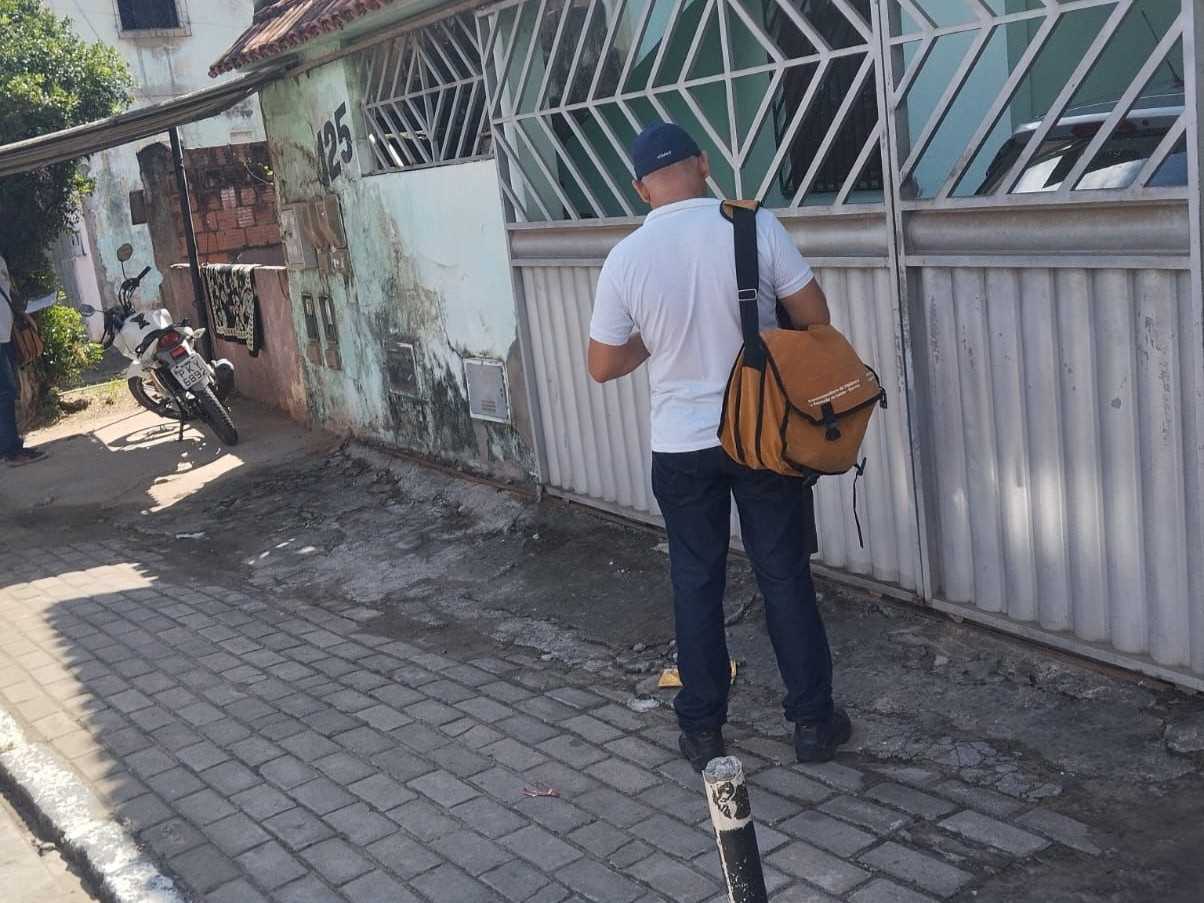
Durante toda a semana, os agentes estarão mobilizados nesses bairros, mas as ações continuam em outras áreas da cidade. A orientação é para que a população colabore com a limpeza de seus quintais e evite o acúmulo de água parada, ambiente ideal para a proliferação do mosquito.
“Combater o Aedes aegypti é uma responsabilidade de todos. A prevenção deve ser feita diariamente, e a eliminação de criadouros é a forma mais eficaz de evitar a transmissão dessas doenças”, reforça Roberto.
PF cumpre mandado contra empresário de Ilhéus ligado a esquema bilionário
6/abr/2025 . 11:02

A Polícia Federal cumpriu, na manhã deste sábado (5), um mandado de busca e apreensão em Ilhéus, no sul da Bahia, como parte da terceira fase da Operação Overclean. O alvo foi o empresário do ramo imobiliário Samuel Franco, conhecido como Samuca, investigado como possível operador financeiro de um esquema bilionário de corrupção, fraudes em licitações, peculato e lavagem de dinheiro.
Samuca é uma figura bastante conhecida em Ilhéus por seus investimentos imobiliários, incluindo a recente compra e reforma do Ilhéus Praia Hotel. A reinauguração do espaço contou com a presença de nomes influentes da política baiana, como o líder do União Brasil, ACM Neto, e o prefeito de Salvador, Bruno Reis, que elogiaram publicamente o empreendimento.
Segundo a Polícia Federal, Samuel Franco é ligado ao ex-prefeito de Santa Cruz da Vitória, Carlos André Coelho (União), preso em dezembro de 2024 durante a segunda fase da operação. Carlos André é apontado como integrante do núcleo operacional do grupo criminoso, com influência direta sobre decisões administrativas em órgãos públicos. Ele é acusado de intermediar repasses ilegais em contratos que somam R$ 170 milhões. Na ocasião de sua prisão, foram apreendidos R$ 1,5 milhão em um avião.
A investigação estima que o grupo movimentou cerca de R$ 1,4 bilhão por meio de contratos fraudulentos, muitos deles ligados ao Departamento Nacional de Obras Contra as Secas (Dnocs), com ramificações em diversos estados, como São Paulo, Maranhão, Pará e Piauí. Conversas interceptadas pela PF revelam o uso de linguagem cifrada, com termos como “encomendas” e “robalos”, para disfarçar os crimes.
Durante a ação deste sábado em Ilhéus, os agentes apreenderam eletrônicos e centenas de documentos relacionados a imóveis. A operação visa aprofundar as ligações entre os investigados e possíveis novos núcleos de lavagem de dinheiro.
A terceira fase da Overclean foi deflagrada na última quinta-feira (3) e ampliou o foco sobre figuras ligadas ao União Brasil. Entre os alvos está o secretário de Educação de Belo Horizonte, Bruno Oitaven Barral, afastado do cargo por decisão do Supremo Tribunal Federal (STF). A nomeação de Barral contou com o apoio político de ACM Neto e do empresário José Marcos de Moura, conhecido como “Rei do Lixo”, preso na primeira fase da operação e apontado como o líder do esquema.
Die Psychologie hinter Symbolen: Einfluss auf Entscheidungen und Verhaltensweisen
6/abr/2025 . 4:55
Einleitung: Psychologische Wirkung von Symbolen in der Entscheidungsfindung
Symbole sind tief in unserer Psyche verwurzelt und beeinflussen unser Verhalten auf subtiler, aber nachhaltiger Weise. Bereits in der Antike wurden Symbole genutzt, um komplexe Botschaften zu vermitteln und kollektive Überzeugungen zu formen. Heute sind sie allgegenwärtig – in Logos, Marken, politischen Flaggen oder religiösen Ritualen. Ihre Wirkung auf das Unterbewusstsein ist enorm, da sie emotionale und kognitive Prozesse gleichzeitig ansprechen.
Inhaltsverzeichnis
1. Psychologische Wirkung von Symbolen in der Entscheidungsfindung
a. Warum beeinflussen Symbole unser Unterbewusstsein?
Symbole wirken auf einer tieferen Ebene als bewusste Überlegungen. Sie sind Träger kollektiver Bedeutungen und lösen unbewusste Reaktionen aus, die unsere Entscheidungen lenken können. Studien zeigen, dass Menschen beispielsweise bei der Wahl eines Produkts oft unbewusst auf bestimmte Markensymbole reagieren, die positive Assoziationen hervorrufen. Diese automatisierten Prozesse basieren auf neuronalen Mustern, die im limbischen System verankert sind, dem Zentrum für Emotionen.
b. Die Rolle von Emotionen bei der Wahrnehmung von Symbolen
Emotionen sind der Schlüssel zur Wirkung von Symbolen. Ein rotes Herz kann Liebe, Leidenschaft oder Aufmerksamkeit symbolisieren, während eine weiße Taube für Frieden steht. Diese emotionalen Assoziationen verstärken die Wirkung der Symbole und beeinflussen unsere Handlungen, ohne dass wir uns dessen bewusst sind. Besonders in der Werbung werden gezielt emotionale Symbole eingesetzt, um Verbraucher unbewusst zu beeinflussen.
c. Übertragung von Bedeutungen und ihre Auswirkungen auf Entscheidungen
Die Übertragung von Bedeutungen auf Symbole ist ein komplexer psychologischer Prozess. Ein Beispiel ist das olympische Feuer, das für Frieden und internationaler Zusammenhalt steht. Solche Symbole übertragen kulturelle Werte, die unser Verhalten im Alltag beeinflussen. Wenn wir auf ein Symbol treffen, das positive Assoziationen weckt, sind wir eher geneigt, bestimmte Entscheidungen zu treffen, die im Einklang mit diesen Gefühlen stehen.
2. Symbolische Assoziationen und ihre Einflussnahme auf Verhaltensweisen
a. Kulturelle Prägung und individuelle Assoziationen
Kulturelle Hintergründe prägen unsere Interpretation von Symbolen erheblich. Während in Deutschland das Kreuz religiöse Bedeutung trägt, symbolisiert es in anderen Kulturen unterschiedliche Werte. Individuelle Erfahrungen formen persönliche Assoziationen, die beeinflussen, wie wir auf bestimmte Symbole reagieren. Diese Unterschiede sind essenziell, um die Wirkung von Symbolen in verschiedenen gesellschaftlichen Kontexten zu verstehen.
b. Die Wirkung von Farben, Formen und Bildern auf Handlungen
Farben haben eine starke psychologische Wirkung: Blau wird mit Vertrauen verbunden, Rot mit Dringlichkeit, Grün mit Natürlichkeit. Formen und Bilder verstärken diese Effekte zusätzlich. Beispielsweise nutzt die Automobilbranche häufig geschwungene Linien, um Dynamik zu suggerieren. In der Werbung werden diese visuellen Elemente gezielt eingesetzt, um bestimmte Verhaltensweisen auszulösen.
c. Beispiele aus Alltag und Werbung
Ein bekanntes Beispiel ist die Verwendung des grünen Häkchens in der Produktverpackung, das Vertrauen signalisiert. Im Alltag erkennen wir die Wirkung von Symbolen bei Wegweisern, Logos oder Marken. In der Werbung werden gezielt emotionale Symbole eingesetzt, um Markenbindung zu fördern und Konsumenten zu Verhaltensweisen zu lenken.
3. Das Unbewusste im Umgang mit Symbolen: Psychologische Mechanismen
a. Automatisierte Reaktionen und ihre Entstehung
Automatisierte Reaktionen auf Symbole entstehen durch wiederholte Erfahrung und Konditionierung. Ein Beispiel ist die Assoziation des Logos einer bekannten Marke mit Qualität, die im Gedächtnis verankert ist. Solche unbewussten Reaktionen erleichtern schnelle Entscheidungen, können aber auch manipulativ eingesetzt werden.
b. Der Einfluss von Symbolen auf Gedächtnis und Erinnerungen
Symbole sind eng mit unserem Gedächtnis verbunden. Einprägsame Logos oder Bilder können Erinnerungen an bestimmte Produkte oder Marken wachrufen. Diese Verknüpfungen beeinflussen langfristig unser Verhalten, ohne dass wir es bewusst wahrnehmen.
c. Subliminale Botschaften und deren Wirkung auf Verhalten
Subliminale Botschaften sind unterschwellige Signale, die das Bewusstsein umgehen. In der Vergangenheit gab es Spekulationen über ihre Verwendung in Werbung oder Politik. Obwohl die wissenschaftliche Evidenz begrenzt ist, zeigen Studien, dass unterschwellige Reize kurzfristig Emotionen und Präferenzen beeinflussen können.
4. Symbolische Manipulation: Ethik und Grenzen in der Psychologie
a. Einsatz in Marketing und Politik
Symbole werden in Marketing und Politik gezielt eingesetzt, um unbewusste Assoziationen zu wecken und das Verhalten zu steuern. Beispielsweise nutzt die politische Werbung patriotische Symbole, um Verbundenheit zu suggerieren. In der Konsumgüterbranche sind es oft einfache visuelle Reize, die Kaufentscheidungen beeinflussen.
b. Risiko der Manipulation und Missbrauch
Der Einsatz von Symbolen birgt das Risiko der Manipulation. Wenn Symbole benutzt werden, um Ängste oder Vorurteile zu verstärken, kann das gesellschaftlichen Schaden anrichten. Missbrauch zeigt sich beispielsweise in der Radikalisierung durch nationalistische oder extremistische Symbole.
c. Grenzen und ethische Überlegungen beim Einsatz von Symbolen
Ethische Prinzipien fordern Transparenz und Verantwortung beim Einsatz von Symbolen. Psychologen und Werbetreibende sollten bewährte Grenzen respektieren, um Manipulation zu vermeiden. In Deutschland ist die Werbung durch das Gesetz gegen unlauteren Wettbewerb geregelt, das irreführende Praktiken einschränkt.
5. Die Verbindung zwischen Symbolen, Emotionen und Verhaltensmustern
a. Wie Symbole emotionale Reaktionen hervorrufen
Symbole sind emotionale Trigger. Ein Firmenlogo, das Vertrauen und Sicherheit vermittelt, wirkt unbewusst auf unsere Gefühle und beeinflusst dadurch unser Verhalten. Forschungen belegen, dass emotionale Reaktionen schneller und stärker auf Symbole reagieren als auf reine Fakten.
b. Einfluss auf Gruppenzugehörigkeit und soziale Identität
Symbole spielen eine zentrale Rolle bei der Bildung sozialer Gruppen. Flaggen, Abzeichen oder bestimmte Kleidungsstücke signalisieren Zugehörigkeit und identifizieren Gruppenmitglieder. Diese Symbolik stärkt soziale Bindungen und fördert das Zusammengehörigkeitsgefühl.
c. Symbolik in Rituale und Zeremonien – Verstärkung emotionaler Bindungen
In Ritualen und Zeremonien, wie religiösen Festen oder nationalen Feierlichkeiten, werden Symbole genutzt, um emotionale Bindungen zu vertiefen. Das gemeinsame Erleben und die symbolische Bedeutung steigern das Gemeinschaftsgefühl und festigen soziale Strukturen.
6. Von individuellen Entscheidungen zu gesellschaftlichen Trends: Die Rolle der Symbolpsychologie
a. Symbole in sozialen Bewegungen und Kulturen
Historisch gesehen haben Symbole soziale Bewegungen stark geprägt. Das rote Tuch der Arbeiterbewegung oder die Regenbogenfahne für die LGBTQ+-Community sind Beispiele für Symbole, die gesellschaftliche Veränderungen vorantreiben und Identität stiften.
b. Einfluss auf kollektive Verhaltensweisen und Meinungsbildung
In Massenmedien und sozialen Netzwerken wirken Symbole auf die Meinungsbildung. Memes, Hashtags oder Corporate Logos formen Meinungen und beeinflussen gesellschaftliche Trends, oft unbemerkt für den Einzelnen.
c. Beispiel: Symbolik im Kontext moderner Popkultur und Medien
In der Popkultur sind Symbole allgegenwärtig. Die ikonischen Logos von Marken wie Adidas oder Nike, sowie Symbole in Filmen und Serien, tragen zur Schaffung von Identität und Gemeinschaft bei. Sie sind Teil eines globalen Phänomens, das unser kollektives Bewusstsein formt.
7. Rückbindung an den parent Artikel: Wie Symbole in historischen und modernen Kontexten die Psyche prägen
a. Überleitung: Vom Einfluss antiker Opfer zu psychologischen Wirkmechanismen
Der parent Artikel «Die Macht der Symbole: Von antiken Opfern bis zu modernen Glücksspielen» zeigt, wie Symbole seit Jahrtausenden genutzt werden, um Macht, Glauben und Kontrolle zu verstärken. Diese historischen Wurzeln bilden die Grundlage für das Verständnis, warum Symbole im psychologischen Kontext so mächtig sind.
b. Gemeinsamkeiten und Unterschiede in der symbolischen Wirkung
Sowohl in der Antike als auch heute beeinflussen Symbole unser Verhalten unbewusst. Während frühe Symbole oft religiös oder rituell waren, sind moderne Symbole vor allem kommerziell oder politisch motiviert. Dennoch bleibt die Grundmechanik: Sie sprechen Emotionen an und formen kollektive Überzeugungen.
c. Bedeutung für das Verständnis zeitgenössischer symbolischer Praktiken
Ein tiefes Verständnis der psychologischen Wirkung von Symbolen hilft, Manipulationen zu erkennen und ethisch verantwortungsvoll einzusetzen. Es ermöglicht auch, die Kraft der Symbole in sozialen Bewegungen, Werbung und Medien bewusster zu nutzen und zu hinterfragen.


