


:: 26/ago/2025 . 10:04
Ministro André Mendonça assume relatoria dos inquéritos do INSS no STF
 26/ago/2025 . 10:04

O Supremo Tribunal Federal (STF) definiu, nesta segunda-feira (25), que o ministro André Mendonça será o novo relator das investigações que apuram supostas irregularidades no Instituto Nacional do Seguro Social (INSS). A decisão ocorreu após determinação do presidente da Corte, Luís Roberto Barroso, que mandou redistribuir os inquéritos por meio de sorteio eletrônico, atendendo a um pedido da Procuradoria-Geral da República (PGR).
Como estava antes
Até então, os processos relacionados ao caso estavam sob a condução do ministro Dias Toffoli. Ele havia assumido a análise de diferentes frentes da investigação por considerar que havia “conexão” entre elas, o que, na prática, centralizou os desdobramentos do escândalo em seu gabinete.
A estratégia foi contestada pela PGR, que argumentou não existir prevenção formal que justificasse a concentração. Segundo a Procuradoria, o rito regimental exigia que a distribuição fosse feita de forma aleatória, como ocorre em outros casos sem relação direta entre si.
A decisão de Barroso
Ao analisar a manifestação, Barroso concordou com o posicionamento do Ministério Público e ordenou que o sistema interno do STF realizasse o sorteio. O procedimento apontou Mendonça como novo relator. Com isso, Toffoli deixa de ser o responsável exclusivo pelo tema, e todas as medidas relacionadas ao andamento das apurações passam agora para a alçada do novo ministro.
O papel de Mendonça daqui pra frente
Cabe ao relator decidir sobre pedidos de diligência, autorizar eventuais quebras de sigilo, homologar colaborações premiadas e definir quais pontos demandam manifestação do plenário da Corte. Além disso, é ele quem fará a interlocução direta com a PGR em cada etapa do inquérito.
Fontes do STF avaliam que a mudança deve imprimir um novo ritmo às investigações, já que Mendonça tende a adotar um estilo mais técnico e menos político em relação a casos de grande repercussão.
O impacto político
O escândalo no INSS é considerado um dos maiores já identificados na máquina pública nos últimos anos, com suspeitas de fraudes bilionárias em benefícios e contratos. A redistribuição da relatoria é vista como uma vitória para a PGR, que vinha defendendo maior transparência no processo de escolha do relator.
No meio político, a alteração também repercute: parte da classe política enxergava em Toffoli uma condução mais previsível, enquanto Mendonça, indicado ao STF em 2021 pelo então presidente Jair Bolsonaro, ainda é visto como um ministro de perfil mais reservado e jurídico.
O que esperar
Especialistas acreditam que os próximos meses serão decisivos para definir se haverá denúncias formais contra investigados e quais autoridades podem ser diretamente implicadas. Como os inquéritos envolvem possíveis crimes de corrupção, fraude e desvio de recursos, a tendência é que o processo continue a ocupar espaço central nas disputas políticas e jurídicas em Brasília.
 Publicado em
CPMI do INSS realiza votação para convocação de ex-ministros e ex-presidentes do INSS nesta terça-feira(26)
26/ago/2025 . 9:56

A Comissão Parlamentar Mista de Inquérito (CPMI) que investiga fraudes bilionárias no Instituto Nacional do Seguro Social (INSS) realiza, nesta terça-feira (26), sua primeira votação de requerimentos. A pauta inclui a convocação de ex-ministros da Previdência, ex-presidentes do órgão e outras autoridades ligadas ao sistema previdenciário.
Ao todo, estão em análise 35 requerimentos, além da definição do plano de trabalho do colegiado e da escolha do vice-presidente da comissão. A CPMI foi instalada após denúncias de descontos irregulares em aposentadorias e pensões, que, segundo estimativas, geraram prejuízos de cerca de R$ 6,3 bilhões entre 2019 e 2024.
Ex-ministros na mira
O relator da comissão, deputado Alfredo Gaspar (União–AL), propôs a convocação de três ex-ministros da Previdência:
-
Eduardo Gabas, que comandou a pasta no governo Dilma Rousseff;
-
José Carlos Oliveira, que ocupou o cargo durante a gestão Jair Bolsonaro, quando a área estava vinculada ao Ministério do Trabalho;
-
Carlos Roberto Lupi, último a exercer a função no governo Lula.
Dez ex-presidentes do INSS
Além dos ex-ministros, o relator também solicitou o comparecimento de dez ex-presidentes do INSS, que estiveram à frente do órgão em diferentes períodos, entre 2012 e 2025:
-
Lindolfo Neto de Oliveira Sales (2012–2015)
-
Elisete Berchiol da Silva Iwai (2015–2016)
-
Leonardo de Melo Gadelha (2016–2017)
-
Francisco Paulo Soares Lopes (2017–2018)
-
Edison Antônio Costa Britto Garcia (2018–2019)
-
Renato Rodrigues Vieira (2019–2020)
-
Leonardo José Rolim Guimarães (2020–2021)
-
Guilherme Gastaldello Pinheiro Serrano (2022–2023)
-
Glauco André Fonseca Wamburg (2023)
-
Alessandro Antonio Stefanutto (2023–2025)
Investigação técnica e imparcial
O presidente da CPMI, senador Carlos Viana (Podemos–MG), afirmou que a condução dos trabalhos será técnica e isenta. Ele defendeu que todos os responsáveis pelo comando do INSS e da Previdência nos últimos anos sejam ouvidos, garantindo igualdade no tratamento dos diferentes governos.
Já o relator, deputado Alfredo Gaspar, destacou que a comissão não pretende selecionar alvos de forma política. “Se for necessário ouvir um ex-presidente da República, todos devem ser chamados. O que buscamos é esclarecer as responsabilidades de cada gestão diante de um esquema que prejudicou milhões de beneficiários”, disse.
Apoio de órgãos de fiscalização
Além das convocações, a CPMI deve votar pedidos de cooperação com órgãos de controle, como a Controladoria-Geral da União (CGU), a Polícia Federal (PF) e o próprio INSS. Entre as medidas que poderão ser adotadas está a quebra de sigilos de pessoas e instituições investigadas, considerada essencial para mapear as irregularidades.
Próximos passos
A expectativa é de que as reuniões da comissão ocorram duas vezes por semana. Com a definição do vice-presidente e do plano de trabalho, o colegiado deve iniciar, já nos próximos dias, a fase de oitivas. A investigação deve se estender pelos próximos meses e tem potencial de impactar a condução das políticas previdenciárias no país
Macarani recebe Cozinha Comunitária do Bahia Sem Fome com investimento de R$ 242 mil
26/ago/2025 . 9:48
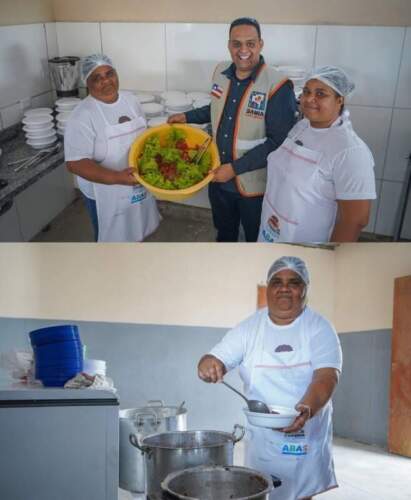
O Governo da Bahia entregou, no último sábado (23), uma nova Cozinha Comunitária e Solidária na cidade de Macarani, bairro Sobral Bentes, dentro do Programa Bahia Sem Fome. A iniciativa integra o 2º edital Comida no Prato e garantirá recursos de R$ 242 mil para a produção de 200 refeições diárias, de segunda a sexta-feira, destinadas a famílias em situação de vulnerabilidade social.
A gestão da unidade ficará a cargo da Associação Beneficente Arca do Senhor (ABAS), que há 15 anos desenvolve ações sociais no município. Até então, a entidade mantinha, com recursos próprios, a distribuição de sopas duas vezes por semana, alcançando cerca de 250 pessoas de 80 famílias. Agora, com a parceria com o Estado, o atendimento será ampliado, passando a oferecer almoços todos os dias úteis.
Segundo o coordenador-geral do Bahia Sem Fome, Tiago Pereira, a nova unidade representa mais do que um ponto de alimentação.
“Cada cozinha comunitária é um espaço de cidadania e dignidade. Aqui em Macarani, estamos garantindo comida na mesa para 200 pessoas e também renovando a esperança de dias melhores”, afirmou.
Já o coordenador do projeto em Macarani e membro do Conselho Fiscal da ABAS, Gabriel Ferraz, destacou que o início das atividades está previsto para 2 de setembro:
“Essa parceria com o Governo do Estado fortalece o trabalho que já fazíamos com a sopa. Agora, além de ampliar a alimentação, seguimos com nosso papel social na comunidade, oferecendo também esporte, cultura e cidadania para os jovens”, ressaltou.
Além do combate à fome, a ABAS desenvolve projetos esportivos e culturais, com aulas de jiu-jitsu, vôlei, capoeira e teatro. Em julho, sete jovens atendidos pela instituição conquistaram títulos na etapa de Vitória da Conquista do Campeonato Baiano de Jiu-Jitsu.
A inauguração foi acompanhada por autoridades municipais, lideranças comunitárias e moradores, que celebraram a conquista como um avanço importante para o enfrentamento da fome em Macarani.


Mobile App vs Browser Gaming
26/ago/2025 . 9:04
As an experienced gambler, you know that the choice between mobile app and browser gaming can significantly influence your gaming experience and potential returns. Let’s break down the differences, focusing on return to player (RTP), bonus terms, and wagering requirements to help you find the best value.
What are the key differences between mobile apps and browser gaming?
Mobile apps and browser gaming each have their unique advantages and drawbacks. Here’s a comparison:
| Feature | Mobile App | Browser Gaming |
|---|---|---|
| Accessibility | Requires download, may take up storage space | No download needed, instant access via browser |
| Performance | Optimised for mobile devices; often smoother gameplay | Depends on browser capabilities; can be slower |
| Bonuses | Exclusive app-only promotions | Often includes broader promotional offers |
| Game Variety | May have limited selection compared to browser | Usually a wider range of games available |
Which format offers better RTP?
Return to player (RTP) is crucial in determining the potential profitability of your gaming experience. Generally, both mobile apps and browser games offer similar RTP percentages, often ranging from 92% to 98%. However, it’s essential to check individual game RTPs, as some mobile-exclusive titles may offer lower RTPs.
Are bonuses better on mobile apps or browsers?
Bonuses can vary significantly between platforms. Many casinos, including BlueBetz Casino UK, offer exclusive bonuses for app users to encourage downloads. These can include free spins or deposit matches, often with terms that can be more favourable than those found on the browser. However, always scrutinise the bonus terms:
- Wagering Requirements: Commonly around 35x for mobile bonuses and 40x for browser bonuses.
- Expiry Dates: Mobile bonuses may have shorter validity periods.
- Minimum Deposits: Some mobile bonuses can require higher minimum deposits.
What are the wagering requirements for each platform?
Wagering requirements dictate how many times you must wager your bonus before you can withdraw any winnings. On average:
- Mobile app bonuses typically have lower wagering requirements, around 30-35x.
- Browser bonuses often sit at around 40-50x, making them less advantageous for experienced players.
Common Myths about Mobile App vs Browser Gaming
- Myth 1: Mobile apps always have better odds.
- Truth: Odds are generally consistent across platforms, but specific games may vary.
- Myth 2: Browser gaming is outdated.
- Truth: Browser technology has improved significantly, and many players still prefer it for its accessibility.
- Myth 3: Bonuses are always better on apps.
- Truth: While apps can have exclusive bonuses, browsers may offer larger overall promotions.
Ultimately, the decision between mobile app and browser gaming should hinge on your personal preferences, gaming habits, and the specific bonuses available at the time. Both platforms can provide excellent gambling experiences, but understanding the maths behind RTP, bonus terms, and wagering requirements will help you maximise your potential returns.
Spintime Casino Game Selection Analysis
26/ago/2025 . 1:22
As a sceptical casino reviewer, my focus at Spintime Casino is to provide a transparent analysis of its game selection. While it may boast an array of options, we must scrutinise the details behind the glitzy interface. The UK gambling landscape is tightly regulated, and ensuring that players are fully informed about licensing, safety, and odds is crucial.
The Verdict
Spintime Casino presents an extensive selection of games, but with this variety comes a need for caution. Players should be aware of potential pitfalls, including unclear terms regarding payouts and wagering requirements. Below, we will explore the pros and cons of Spintime Casino’s offerings to help you make an informed decision.
The Good
- Variety of Games: Spintime Casino features a wide range of games, including popular slots, table games, and live dealer options. This caters to different preferences and enhances player engagement.
- Licensing: The casino is licensed by the UK Gambling Commission (UKGC), which ensures that it adheres to strict regulations designed to protect players.
- Security: The platform uses advanced encryption technologies to safeguard personal and financial information, providing a secure gaming environment.
- Promotions: Regular promotions and bonuses are available, which can increase playtime and provide additional value for money.
The Bad
- Opaque Wagering Requirements: While bonuses are enticing, many come with stringent wagering requirements, often around 35x the bonus amount. This can make it difficult for players to cash out winnings.
- Limited Withdrawal Options: Players may find the withdrawal options somewhat constrained, which can lead to delays in accessing funds.
- Customer Support Issues: Some users have reported slow response times from customer support, which can be frustrating when immediate assistance is required.
The Ugly
- Low RTP on Certain Games: Some games at Spintime Casino feature an RTP (Return to Player) percentage as low as 85%, which is below the industry average of 95%. This can significantly impact a player’s potential return.
- Risk of Problem Gambling: The enticing nature of the game’s variety and promotions can lead some players down a path of excessive gambling. It’s essential for players to be aware of their limits and gamble responsibly.
- Ambiguous Terms and Conditions: Some players have reported confusing terms related to bonuses and promotions, making it difficult to understand the true value of offers.
Comparison Table of Key Metrics
| Feature | Spintime Casino | Industry Average |
|---|---|---|
| RTP Percentage | 85% – 98% | 95% – 97% |
| Wagering Requirements | 35x | 20x – 30x |
| Withdrawal Options | Limited | Diverse |
| Customer Support Response Time | Slow | Responsive |
In summary, while Spintime Casino offers a broad selection of games and adheres to UKGC regulations, there are significant concerns regarding RTP percentages, wagering requirements, and customer support. Players should approach this platform with caution and ensure they fully understand the terms before diving into the gaming experience.
Häufige Fehler bei Paysafecard-Transaktionen in Casinos und wie man sie vermeidet
26/ago/2025 . 1:12
Paysafecard ist eine beliebte Zahlungsmethode in Online-Casinos, da sie schnelle und sichere Transaktionen ermöglicht. Dennoch treten häufig Fehler auf, die zu Transaktionsproblemen, Betrug oder Guthabenverlust führen können. In diesem Artikel werden die wichtigsten Fehlerquellen bei Paysafecard-Transaktionen erläutert und praktische Tipps gegeben, wie Sie diese vermeiden können. Durch fundiertes Wissen und bewährte Strategien können Sie Ihre Online-Zahlungen sicherer und effizienter gestalten.
Inhaltsverzeichnis
Welche typischen Fehler treten bei der Eingabe von Paysafecard-Codes auf?
Die Eingabe des richtigen Codes ist entscheidend für eine reibungslose Transaktion. Fehler bei der Eingabe können dazu führen, dass Zahlungen fehlschlagen oder das Guthaben fälschlicherweise verloren geht. Zu den häufigsten Fehlern gehören falsche PIN-Eingaben, die Verwendung ungültiger Codes und Sicherheitslücken bei der Eingabe auf mobilen Geräten.
Falsche Eingabe von PINs und Sicherheitscodes vermeiden
Viele Nutzer machen den Fehler, die PIN oder den Sicherheitscode ihrer Paysafecard falsch einzugeben. Dies liegt oft an Tippfehlern oder Verwechslungen, insbesondere bei kleinen Bildschirmen auf Smartphones. Um dies zu vermeiden, empfiehlt es sich, den Code zunächst in eine Textdatei oder Notiz zu kopieren, um Tippfehler auszuschließen. Zudem sollte man die Eingabe aufmerksam überprüfen, bevor man den Vorgang abschließt.
Verwendung abgelaufener oder ungültiger Codes erkennen
Paysafecard-Codes haben eine begrenzte Gültigkeitsdauer, meist 12 Monate ab Kaufdatum. Wird ein Code nach Ablauf dieser Frist verwendet, schlägt die Transaktion fehl. Es ist wichtig, die Gültigkeit des Codes vor der Eingabe zu prüfen. Viele Händler oder Verkaufsstellen kennzeichnen abgelaufene Codes deutlich, und auf der Paysafecard-Website lassen sich noch gültige Codes überprüfen. Achten Sie darauf, nur aktuelle Codes zu verwenden, um unnötige Probleme zu vermeiden. Weitere Informationen finden Sie auch auf der Fishin’ Frenzy webseite.
Tipps zur sicheren Eingabe auf mobilen Geräten
Mobile Geräte bieten Flexibilität, bergen aber auch Risiken hinsichtlich Tippfehler und Sicherheitslücken. Nutzen Sie bei der Eingabe eine Bildschirmtastatur mit automatischer Korrektur und aktivieren Sie die Eingabeschutzfunktion Ihres Browsers. Vermeiden Sie öffentliches WLAN, da unsichere Netzwerke das Risiko von Man-in-the-Middle-Attacken erhöhen. Es empfiehlt sich, Codes in einer sicheren App oder Notiz zu speichern und sie erst bei der Eingabe in die Transaktionsmaske zu kopieren.
Wie kann man Betrugsversuche während Paysafecard-Transaktionen erkennen?
Betrugsversuche im Zusammenhang mit Paysafecard sind häufig auf Phishing, gefälschte Webseiten oder Social Engineering zurückzuführen. Das Bewusstsein für Warnzeichen ist essenziell, um sich effektiv zu schützen. Hier sind die wichtigsten Anzeichen und Schutzmaßnahmen.
Anzeichen von Phishing und gefälschten Webseiten
Häufig versuchen Betrüger, Nutzer auf gefälschte Webseiten zu locken, die echten Zahlungsseiten ähneln. Typische Hinweise sind: verdächtige URLs, fehlende SSL-Verschlüsselung (keine „https“-Verbindung), unprofessionelles Design oder ungewöhnliche Anfragen nach persönlichen Daten. Zudem erhalten Nutzer oft E-Mails, die angeblich von Casinos oder Paysafecard stammen, mit dringenden Aufforderungen zur Eingabe von Codes.
Wichtig: Seriöse Casinos und Paysafecard selbst kommunizieren niemals sensible Daten per E-Mail oder fordern Sie auf, Codes auf unsicheren Webseiten einzugeben.
Maßnahmen zum Schutz vor Betrug beim Online-Kauf
Um Betrugsversuche zu vermeiden, sollten Sie nur offizielle Verkaufsstellen oder autorisierte Online-Shops nutzen. Achten Sie auf sichere Zahlungsmethoden und verwenden Sie nur die offiziellen Paysafecard-Webseiten. Zudem empfiehlt es sich, regelmäßig Ihre Transaktionshistorie zu prüfen, um unautorisierte Aktivitäten frühzeitig zu erkennen.
Verifizierung der Casino-Website vor Transaktionen
Bevor Sie eine Paysafecard in einem Casino verwenden, vergewissern Sie sich, dass die Website vertrauenswürdig ist. Prüfen Sie das SSL-Zertifikat (erkennbar am Schloss-Symbol in der Adressleiste) und recherchieren Sie das Casino im Internet, um Erfahrungsberichte und Bewertungen zu lesen. Eine sichere Website schützt Ihre Daten und verhindert Betrugsversuche.
Was sind häufige Fehler bei der Verwaltung von Paysafecard-Guthaben?
Viele Nutzer unterschätzen die Bedeutung einer sorgfältigen Verwaltung ihres Guthabens. Fehler in diesem Bereich können zu unerwartetem Guthabenverlust, unkontrollierten Ausgaben oder Schwierigkeiten bei der Nachverfolgung führen.
Unachtsames Versenden von Codes an Dritte
Das Teilen Ihrer Codes mit Freunden oder Dritten ist ein häufig vorkommender Fehler, der das Risiko von Betrug erhöht. Es besteht die Gefahr, dass der Empfänger den Code missbraucht oder bei Diebstahl durch Dritte das Guthaben verloren geht. Bewahren Sie Ihre Codes stets geheim auf und geben Sie sie nur an vertrauenswürdige Personen weiter.
Fehler beim Überprüfen des Guthabens vor Transaktionsabschluss
Oft vernachlässigen Nutzer, ihr Guthaben vor der endgültigen Transaktion zu prüfen. Dadurch kann es passieren, dass die Transaktion abgelehnt wird oder das Guthaben unerwartet aufgebraucht ist. Es ist ratsam, regelmäßig die Guthabenstände zu kontrollieren, um bei Unsicherheiten rechtzeitig reagieren zu können.
Unzureichende Dokumentation von Transaktionen
Ohne eine genaue Dokumentation der Paysafecard-Transaktionen ist es schwierig, bei Streitfällen oder Betrugsverdacht nachzuverfolgen, wo das Guthaben verwendet wurde. Es empfiehlt sich, Belege, Transaktionsnummern und Screenshots zu speichern, um im Bedarfsfall Beweise vorlegen zu können.
Welche technischen Probleme können bei Paysafecard-Transaktionen auftreten?
Technische Schwierigkeiten sind eine häufige Ursache für Transaktionsabbrüche und Frustration. Diese Probleme können durch Verbindungsprobleme, Browser- oder App-Inkompatibilität oder fehlerhafte Aktualisierungen verursacht werden.
Verbindungsprobleme und Abbrüche während des Bezahlvorgangs
Unzuverlässige Internetverbindungen, insbesondere bei mobilen Daten, können dazu führen, dass eine Transaktion abbricht. Es ist ratsam, stabile WLAN-Verbindungen zu nutzen und die Seite bei längeren Ladezeiten zu aktualisieren. Bei wiederholten Problemen empfiehlt es sich, den Browser oder die App neu zu starten und es erneut zu versuchen.
Probleme mit Browser- oder App-Kompatibilität
Manche Browser oder ältere Versionen von Apps sind nicht vollständig kompatibel mit den Zahlungsseiten. Dies kann zu Darstellungsfehlern oder Fehlfunktionen führen. Um dies zu vermeiden, verwenden Sie stets die neuesten Versionen Ihrer Browser oder Apps und wechseln Sie bei Problemen auf einen alternativen Browser wie Chrome oder Firefox.
Fehlerhafte Aktualisierung der Zahlungsseite
Bei technischen Wartungsarbeiten oder Serverproblemen kann es zu veralteten Seiten kommen, die Transaktionen verhindern. Überprüfen Sie die offizielle Statusseite des Anbieters oder kontaktieren Sie den Kundendienst, wenn Sie ungewöhnliche Verzögerungen oder Fehler bemerken. Warten Sie nicht zu lange, um unnötige Frustration zu vermeiden.
Durch die Beachtung dieser Tipps können Sie die häufigsten Fehler bei Paysafecard-Transaktionen vermeiden und Ihre Online-Zahlungen sicherer, schneller und zuverlässiger gestalten. Wissen ist der beste Schutz gegen Verlust und Betrug – investieren Sie in Ihre Sicherheit beim Online-Gaming.
- 1


