


:: nov/2024
Prefeitura de Ilhéus e Conder Prorrogam Prazo para Cobertura do Canal do Malhado até 2025
 5/nov/2024 . 19:56

A Companhia de Desenvolvimento Urbano do Estado da Bahia (Conder) e a Prefeitura de Ilhéus formalizaram uma nova extensão do prazo para conclusão das obras da segunda etapa de cobertura do Canal do Malhado. Assinado em um quarto termo aditivo ao Convênio Nº 398/22, o projeto, que inicialmente deveria ter sido entregue em setembro de 2023, agora tem previsão de término até o dia 3 de junho de 2025.
Esse novo acordo estabelece uma prorrogação de sete meses, e foi oficializado com a publicação no Diário Oficial do Estado, na edição de sábado (2). A cobertura do Canal do Malhado é uma obra essencial para a infraestrutura urbana e conta com um investimento significativo: R$ 10.505.878,93 financiados pelo Governo da Bahia e uma contrapartida municipal de R$ 784.733,18.
O investimento aumentou em 12,73% após ajustes feitos em aditivos anteriores, com a prefeitura de Ilhéus comprometendo-se a adicionar mais R$ 1.436.815,03 ao valor inicial. Dessa forma, o total previsto para o projeto subiu para R$ 12.727.427,14, com recursos voltados para melhorias na infraestrutura e no sistema de drenagem urbana da cidade. A Conder, vinculada à Secretaria Estadual de Desenvolvimento Urbano, reforça que essa prorrogação visa garantir o andamento da obra e adequar o cronograma às necessidades operacionais e de execução.
 Publicado em
Professor Josevrando Nascimento Fala sobre História e Política em Bate-Papo no Programa “Falando Direito”
5/nov/2024 . 14:00
 No bate-papo realizado nesta terça-feira (5) no programa *Falando Direito*, transmitido pela rádio Bahiana e apresentado por Adilson Neves e Jerberson Josué, o professor e advogado Josevandro Nascimento trouxe ao público uma conversa envolvente sobre temas culturais e políticos de Ilhéus. Com sua vasta experiência na área jurídica e seu papel na Academia de Letras de Ilhéus, Josevandro destacou a importância do conhecimento histórico para a formação cultural da cidade e da própria identidade dos ilheenses.
Durante a entrevista, o professor compartilhou detalhes sobre seu envolvimento com a Academia de Letras de Ilhéus e ressaltou como a instituição é fundamental para preservar e valorizar a história local. Ele abordou a relevância histórica de diversos pontos icônicos de Ilhéus, sublinhando o papel desses locais na memória coletiva da cidade e no turismo cultural.
A entrevista trouxe reflexões significativas sobre a integração entre cultura, história e política em Ilhéus, oferecendo aos ouvintes uma visão ampla e aprofundada sobre o papel que cada um desses aspectos desempenha na formação de uma sociedade mais consciente e participativa.
Valderico Junior Fortalece Laços com Vereadores e Inicia Transição de Governo em Ilhéus
5/nov/2024 . 12:57

Na tarde desta segunda-feira (4), o prefeito eleito de Ilhéus, Valderico Junior, avançou em dois momentos cruciais para a formação de sua futura administração. Em encontros distintos, o prefeito eleito dedicou-se à articulação política e à formalização da transição de governo, criando uma base sólida para o início de seu mandato.
O primeiro compromisso do dia foi um almoço com 14 vereadores eleitos, que integrarão a nova composição da Câmara Municipal pelos próximos quatro anos. Presentes no encontro, os parlamentares discutiram com Valderico iniciativas que podem impulsionar o desenvolvimento do município. O clima foi descontraído, mas marcado por conversas sobre projetos e parcerias que visam atender as necessidades da população de Ilhéus. “Foi uma oportunidade para estreitar os laços e reafirmar o compromisso de todos com o desenvolvimento de Ilhéus”, destacou Valderico Junior.

Em continuidade à agenda de transição, Valderico se reuniu mais tarde com o atual prefeito, Mário Alexandre, na sede da prefeitura. Durante o encontro, discutiram os detalhes do processo de transição, reforçando o compromisso com uma passagem de governo harmoniosa. O grupo de transição foi oficializado, contando com cinco membros de cada administração, incluindo o Chefe de Gabinete de Transição Cristiano T. S. Carvalho e representantes das áreas jurídica e administrativa.
Prefeito Eleito Valderico Júnior se reúne com Novos Vereadores para Definir Rumos da Política em Ilhéus
4/nov/2024 . 19:20

O Prefeito eleito Valderico Júnior (UB), irá se reunir com os vereadores escolhidos na sua maioria de primeiro mandato para discutir os rumos da Política de Ilhéus encontro que marca a importância de um alinhamento para o próximo governo. Quais serão os ingredientes desse cardápio? Será servido com tempero forte ou pouco sal? Algo popular ou mais sofisticado? Encontro cercado de expectativas.
Ilhéus Inicia Temporada de Cruzeiros com Estrutura Turística Reforçada e Expectativa de Impacto Econômico Positivo
4/nov/2024 . 18:09
Ilhéus se prepara para o início da aguardada temporada de cruzeiros 2024-2025, que promete movimentar o turismo e aquecer a economia local com a chegada de milhares de visitantes. Nesta terça-feira, dia 5 de novembro, o MSC Seaview será o primeiro a atracar no porto, trazendo cerca de 6.700 pessoas, entre passageiros e tripulantes, em um desembarque que reforça o potencial turístico do litoral baiano.
Ao longo da temporada, estão previstas 14 escalas de navios renomados, como o MSC Orchestra e o Costa Favolosa, operados pela agência Beira Mar. A estimativa é de que aproximadamente 42 mil turistas passem pela cidade até abril de 2025, com embarcações que trazem bandeiras de Malta, Panamá e Itália. A temporada anterior atraiu mais de 100 mil turistas e, para este novo período, a expectativa é de que o impacto econômico seja igualmente positivo, beneficiando setores como comércio, gastronomia, artesanato e serviços de transporte.
A Prefeitura de Ilhéus, em parceria com as Secretarias de Cultura, Turismo e Saúde, preparou uma recepção especial para os turistas, que desembarcarão no Centro de Convenções da cidade. O local conta com uma estrutura diferenciada e oferece atrações culturais, como blocos afro, rodas de capoeira, danças baianas e música ambiente com ritmos regionais, proporcionando uma imersão na cultura local.
Além das atrações culturais, o espaço dispõe de wi-fi gratuito, painéis para fotos e uma feira de artesanato local, organizada por empreendedores da economia criativa. O Centro de Convenções também abriga uma área climatizada dedicada à exposição dos chocolates artesanais da região, um dos produtos mais tradicionais de Ilhéus, que chama a atenção dos visitantes pela qualidade e pela conexão com a história da cidade.
Para facilitar o acesso dos turistas aos pontos turísticos e ao comércio local, uma infraestrutura de transporte foi preparada, com opções de ônibus, vans, táxis e motoristas de aplicativos à disposição. A combinação de estrutura e hospitalidade reforça a posição de Ilhéus como um dos destinos de referência para cruzeiristas no Brasil e no mundo, promovendo uma temporada que promete ser inesquecível para os visitantes e enriquecedora para a cidade.
Why Egyptian Animal-Headed Gods Reflect Human Traits
4/nov/2024 . 16:28
1. Introduction: Understanding the Significance of Animal-Headed Gods in Ancient Egypt
Ancient Egyptian religion is renowned for its rich symbolism and complex pantheon of gods, many of whom are depicted with animal heads. These deities serve as profound representations of both natural forces and human qualities, blurring the line between the divine and the mortal. The animals chosen for these depictions are not arbitrary; they embody specific traits, virtues, and vices that the Egyptians associated with their gods, reflecting a deep understanding of human nature and the natural world.
Purpose of Exploration
This article aims to explore the symbolic relationship between animal-headed gods and human traits, illustrating how these divine figures serve as mirrors for human virtues, vices, and psychological archetypes. By understanding these connections, we gain insight not only into ancient Egyptian spirituality but also into universal aspects of human identity.
Overview of Contents
- The Concept of Anthropomorphism and Zoomorphism in Egyptian Deities
- Symbolism Behind Key Animal-Headed Gods and Their Human Traits
- Psychological and Cultural Significance of Animal Traits in Human Identity
- Modern Parallels: The Eye of Horus as a Symbol of Protection and Healing
- Sacred Proportions and Geometry in Egyptian Art and Religion
- Dream Interpretation and Reflection of Human Traits
- Opening the Mouth Ceremony: Reanimation and Humanity in Death
- Mythology, Cosmology, and Architecture as Reflections of Humanity
- Conclusion: The Legacy of Animal-Headed Gods as Mirrors of Humanity
2. The Concept of Anthropomorphism and Zoomorphism in Egyptian Deities
Definitions and Distinctions
Anthropomorphism involves attributing human characteristics to gods, while zoomorphism assigns animal traits. Egyptian deities often embody a blend of both, creating powerful symbols that communicate complex ideas. For example, the human body combined with an animal head allows the deity to personify specific divine qualities rooted in natural instincts.
Cultural and Religious Reasons
The Egyptians believed that animals possessed inherent divine qualities—such as the vigilance of the falcon or the guardianship of the jackal—that they could channel through their gods. These depictions served to make the divine more accessible and relatable, emphasizing that human virtues and vices are intertwined with natural instincts.
Embodiment of Divine Powers
By depicting gods with animal heads, Egyptians communicated that divine powers are rooted in the natural world, and that human traits—such as wisdom, protection, or fury—are part of a broader cosmic order. This visual language reinforced societal values and spiritual ideals.
3. The Symbolism Behind Key Animal-Headed Gods and Their Human Traits
| God | Animal | Traits and Human Virtues |
|---|---|---|
| Horus | Falcon | Vision, kingship, protection |
| Anubis | Jackal | Death, transition, guardianship |
| Thoth | Ibis | Wisdom, writing, judgment |
| Sekhmet | Lion | Power, fury, healing |
Connecting Traits to Human Virtues
For example, Horus’s falcon head symbolizes keen vision and vigilance, qualities vital for a ruler. Anubis’s jackal head reflects guardianship over the dead, emphasizing responsibility and protection. Thoth’s ibis head epitomizes wisdom and intellectual judgment, core virtues for justice and learning. Sekhmet’s lion head embodies strength and ferocity, but also the potential for healing and restoration, illustrating the duality of human power and compassion.
4. The Psychological and Cultural Significance of Animal Traits in Human Identity
Animal Symbolism and Human Instincts
Animals often symbolize innate human instincts—such as the hawk’s vigilance or the lion’s dominance. These qualities are universal, and ancient cultures, including Egypt, personified them through gods to acknowledge their importance in human life. Recognizing these traits in deities helps us understand how humans have long sought to embody virtues like courage, wisdom, and strength.
Moral and Ethical Conveyance
Depictions of gods with animal heads serve as moral exemplars. For instance, the lion-headed Sekhmet warns of the destructive potential of unchecked fury, while also embodying healing powers. These images offer a moral language that guides societal behavior and personal development, illustrating virtues or vices through familiar animal traits.
Impact on Society and Identity
These symbols influenced Egyptian societal values, encouraging individuals to aspire to virtues represented by their gods. The divine qualities embodied in animal-headed gods became internal ideals, shaping moral conduct and personal identity. Modern psychology echoes this through archetypes, where animal traits symbolize core aspects of human personality.
5. Modern Parallels: The Eye of Horus as a Symbol of Protection and Healing
Historical and Mythological Roots
The Eye of Horus, also known as Wadjet, originates from ancient Egyptian mythology, where it symbolizes protection, royal power, and good health. Mythological stories recount how Horus lost his eye in a battle with Seth, only for it to be restored—signifying healing and wholeness. This powerful symbol conveyed divine authority and protective strength, qualities still revered today.
Ritual and Cultural Significance
The Eye of Horus played a central role in rituals such as the opening of the mouth ceremony, which aimed to reanimate the deceased’s senses and identity. The symbolic imagery reinforced the idea that divine qualities—like protection, health, and wholeness—are integral to human life. Modern applications, such as spiritual or even entertainment uses, continue to reflect these enduring human ideals, as seen in symbols of protection used in jewelry or art.
Contemporary Reflection
When exploring modern interpretations, the eye of horus big wins exemplifies how ancient symbols adapt to contemporary contexts, embodying timeless human traits of safeguarding well-being and seeking prosperity. This continuity highlights the deep-rooted nature of animal symbolism in human culture, emphasizing our ongoing pursuit of protection, health, and harmony.
6. The Role of Sacred Proportions and Geometry in Egyptian Art and Religion
Golden Ratio and Divine Harmony
Egyptian architecture, such as pyramids and temples, employs the golden ratio—a mathematical proportion associated with aesthetic harmony and divine order. These precise proportions symbolize the balance between divine and human qualities, illustrating that harmony in the universe reflects moral and spiritual virtues.
Mathematics and Embodiment of Virtues
By integrating mathematical harmony into their art and architecture, Egyptians sought to embody divine principles. For example, temple layouts align with celestial and geometric principles, reinforcing the belief that human virtues are interconnected with universal order. This harmony underscores the idea that human morality and intellect are part of a larger cosmic framework.
7. Dream Interpretation and the Reflection of Human Traits in Egyptian Spiritual Practices
Dream Manuals and Divine Symbols
Ancient Egyptian dream manuals, such as the Chester Beatty papyrus, emphasized the importance of divine symbolism within dreams. Animals appearing in dreams often represented divine messages or personal traits—falcons for vigilance, crocodiles for cunning. These symbols served as tools for moral and spiritual reflection.
Guides to Self-Understanding
Animal-headed gods acted as spiritual guides, helping individuals interpret their dreams and uncover hidden aspects of their personality. For instance, dreaming of a lion might symbolize inner strength or rage, prompting moral evaluation. These practices highlight how ancient Egypt linked subconscious insights with moral development.
8. The Opening the Mouth Ceremony: Reanimation and Humanity in Death
Explanation and Significance
This ritual aimed to reanimate the deceased, restoring their senses, speech, and identity. It involved symbolic acts, such as touching the mouth with iron tools—representing the divine power to breathe life into the dead—and emphasizing the importance of memory and speech as core human traits.
Divine-Mortal Connection
The use of iron tools symbolizes a bridge between divine and mortal realms, reinforcing that human traits like speech and remembrance are divine gifts. This ceremony encapsulates the Egyptian view that mortality retains a divine essence—a reflection of the divine traits embodied by animal-headed gods.
9. Non-Obvious Depth: The Reflection of Human Traits in Egyptian Mythology’s Cosmology and Architecture
Cosmic Order and Moral Ideals
Egyptian cosmology emphasizes harmony and order, mirroring human intellectual and moral ideals. Temples and pyramids were designed using divine proportions, symbolizing the alignment of earthly life with cosmic principles. These structures embody the belief that divine virtues—such as truth and balance—are reflected in architectural harmony.
Symbolic Integration in Art and Layouts
Hieroglyphs and temple layouts incorporate animal symbolism, reinforcing the connection between divine traits and human morality. For example, the
Ministros da Cultura de países do G20 se encontram em Salvador: ‘mostramos ao mundo o potencial transformador’
4/nov/2024 . 12:35
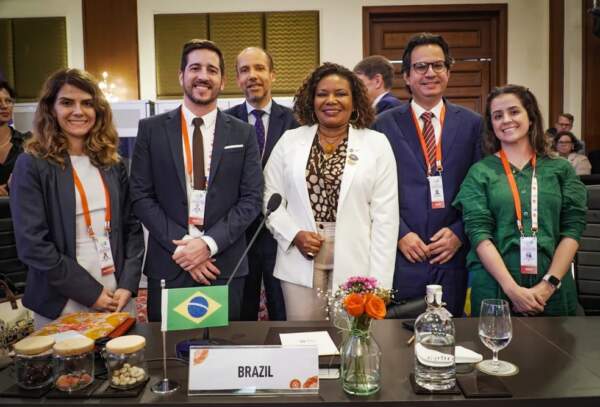
Salvador sedia entre esta segunda-feira (4) e sexta (8), a 4ª Reunião Técnica do Grupo de Trabalho (GT) de Cultura e a Reunião de Ministros de Cultura do G20, no Centro de Convenções da capital baiana.
A Reunião ministerial, que será finalizada com a “Declaração dos Ministros”, acontecerá na sexta. Já entre os dias 5 e 7 de novembro acontecerão os encontros técnicos do Grupo de Trabalho de Cultura do G20.
“A cultura precisa ser encarada como área estratégica em todas as dimensões, pois tem papel central nas políticas de desenvolvimento social de qualquer país. Ao dialogarmos com representantes de delegações dos países membros do G20 mostramos ao mundo o potencial transformador da cultura na sociedade, seu impacto na economia e no desenvolvimento sustentável e inclusivo”, disse a ministra da Cultural do Brasil, Margareth Menezes.
A terceira reunião presencial marca também o último encontro do GT presidido pelo Ministério da Cultura (MinC), também será a última reunião do ciclo de encontros temáticos do G20. Depois de Salvador, acontecerá a Reunião de Líderes do G20, no Rio de Janeiro, nos dias 18 e 19 de novembro.
O GT de Cultura iniciou as atividades em março deste ano, no formato online, e depois promoveu reuniões em Brasília e Rio de Janeiro.
Até o momento, mais de 120 autoridades estão credenciadas para o encontro na capital baiana. Entre elas estão os ministros da Cultura da Espanha, Alemanha, Índia, Arábia Saudita, Emirados Árabes, Indonésia, Angola, África do Sul, União Africana, Vice-Ministro adjunto da Rússia, Vice-Ministro do Japão, Vice-Ministro da Coreia do Sul, Vice-Ministro da China, Vice-Ministro de Portugal.
Somam-se a eles o Embaixador da União Europeia, a Embaixadora de Singapura, o Embaixador da Noruega, o Diretor-Geral adjunto da Unesco, a presidente do Conselho Internacional de Monumentos e Sítios (ICOMOS), a presidente do Conselho Internacional de Museus (ICOM) e a Diretora-Geral do Centro Regional para o Fomento do Livro na América Latina e o Caribe (CERLALC).
Varför Gränsregioners Historia Påverkar Idag: En Svensk Perspektiv
3/nov/2024 . 8:20
Introduktion: Varför gränsregioners historia är viktig för dagens Sverige
Sveriges geografiska och historiska gränser har formats genom århundraden av politiska, kulturella och geografiska förändringar. Dessa gränser, ofta tänkta som tydliga skärningar, bär på en rik historia som fortfarande påverkar dagens samhälle. För att förstå Sveriges moderna identitet är det avgörande att utforska hur dessa gränser har utvecklats och vad de betyder för dagens invånare.
Innehållsförteckning
- Historiska gränsdragningar och deras utveckling i Sverige
- Hur historiska gränser påverkar dagens regionala identiteter och ekonomi
- Naturresurser och geografi som historiska gränsmarkörer
- Gränsregioners påverkan på modern samhällsplanering och politik
- Kulturarv och bevarande av gränsregioners historia i Sverige
- Framtidens möjligheter: att förstå och respektera historiska gränser
- Sammanfattning och avslutande reflektioner
Historiska gränsdragningar och deras utveckling i Sverige
Sveriges gränser har förändrats markant från forntidens små furstendömen och landskap till dagens moderna gränser. Under medeltiden var gränserna ofta naturliga, som floder och bergskedjor, men politiska konflikter och allianser ledde till kontinuerliga förändringar. En viktig period var 1600-talets stora krig, då Sverige expanderade och sedan avträdde områden, vilket formade dagens gränser mot Norge, Finland och Baltikum.
Exempel på gamla gränser inkluderar de skandinaviska halvöarna, där Norge och Sverige historiskt delat en lång gräns, samt de baltiska regionerna som under olika tider varit del av Sverige eller Ryssland. Dessa gränser har inte bara påverkat politiken, utan också kulturellt och ekonomiskt påverkat lokalsamhällen.
Hur historiska gränser påverkar dagens regionala identiteter och ekonomi
Dagens regionala skillnader i Sverige är starkt präglade av historiska gränser. Till exempel är kultur, språk och traditioner ofta unika för specifika regioner, som Dalarnas folkdräkter eller de samiska traditionerna i norr. Dessa kulturella särdrag härstammar från långvariga gränsdragningar och isolering, vilket har skapat en stark regional identitet.
Ekonomiskt har historiska gränser påverkat resursfördelning och handel. Jordbruket i Skåne, som historiskt var en del av Danmark, utvecklades under andra kulturella och ekonomiska förhållanden än i Norrbotten. Detta kan tydligt ses i skillnader i jordbruksstrukturer och ekonomiska inriktningar.
Ett modernt exempel är Le Cowboy, ett spel som symboliskt illustrerar de kulturella kopplingarna och regionala identiteter som fortfarande finns kvar, trots att gränserna är mer öppna än tidigare.
Naturresurser och geografi som historiska gränsmarkörer
Naturresurser har ofta fungerat som naturliga gränser. Till exempel har skogarna i norr och de bördiga slätterna i söder definierat ekonomiska zoner och bosättningsmönster. I vissa fall har geografiska formationer, som långhornskallar i norr eller adobeväggar mellan olika kulturområden, fungerat som gränser.
Dessa geografiska och naturresursbaserade gränser påverkar fortfarande regional utveckling. Exempelvis bidrar tillgången till mineraler, skog och vatten till att skapa regionala ekonomiska centra, vilket i sin tur påverkar infrastruktur och tillväxt.
Gränsregioners påverkan på modern samhällsplanering och politik i Sverige
Lokala självstyrelseorgan och regionala myndigheter har ofta ett arv från historiska gränser, vilket kan ses i exempelvis regionala skillnader i utbildning, hälsovård och infrastruktur. Gränsöverskridande samarbeten inom EU, särskilt i regioner som Skåne och Blekinge, understryker vikten av att förstå dessa historiska kopplingar.
Därför är det inte ovanligt att politiska beslut tar hänsyn till historiska gränser och identiteter, för att främja en inkluderande och hållbar tillväxt för hela Sverige.
Kulturarv och bevarande av gränsregioners historia i Sverige
Kulturarv spelar en central roll i att bevara förståelsen för historiska gränser. Lokal kultur och traditioner, såsom dans, språk och hantverk, är ofta direkt kopplade till dessa gränser. Museer och kulturarvsplatser, inklusive de som berättar om Skandinaviens historia, hjälper till att bevara detta arv.
Utbildning har en viktig funktion i att sprida kunskap om regionernas historia, där exempelvis skolor i Norrbotten aktivt arbetar med att bevara samisk kultur, medan museer i södra Sverige lyfter fram den danska och tyska påverkan.
Framtiden: Hur förståelsen av historiska gränser kan forma Sveriges utveckling
Genom att förstå och respektera våra historiska gränser öppnas möjligheter till hållbar regional tillväxt. Innovativa exempel inkluderar moderna tolkningar av traditionella gränser, där kulturarv används som plattform för turism och regional utveckling.
Le Cowboy är ett exempel på hur kultur och historia kan förena, trots att det är en modern underhållningsprodukt – en symbol för att bevara och vidareutveckla regionala identiteter i en globaliserad värld.
Att förstå våra historiska gränser hjälper oss att bygga ett inkluderande samhälle där olika kulturer och identiteter kan blomstra sida vid sida, samtidigt som vi respekterar vår gemensamma historia.
Sammanfattning och avslutande reflektioner
“Att förstå gränsregioners historia är inte bara att se bakåt, utan att forma framtidens Sverige – ett land som värdesätter sin mångfald och sina rötter.”
Sveriges historia om gränser är en grundpelare för vår nationella identitet, kultur och utveckling. Genom att fortsätta utforska och bevara detta arv kan vi skapa ett inkluderande och hållbart samhälle för kommande generationer.
Unlocking the Power of Guaranteed Rewards in Modern Games
3/nov/2024 . 3:03
1. Introduction: The Evolving Landscape of Rewards in Modern Gaming
Historically, reward systems in classic slot and casino games relied heavily on pure chance. Players would spin reels or press buttons, hoping for a fortunate alignment that delivered a payout. These systems often emphasized the thrill of unpredictability, but also left players feeling uncertain about their chances of winning, which could lead to frustration or disengagement over time.
In recent years, the gaming industry has transitioned towards more innovative reward mechanisms. Modern games integrate guaranteed reward elements—such as fixed payouts, consistent bonuses, or assured features—that enhance player confidence and satisfaction. This shift aims to balance excitement with fairness, fostering greater engagement and longer-lasting player retention.
Understanding the role of guaranteed rewards is crucial for both players and developers. For players, awareness of these features can improve strategic play and overall enjoyment. For developers, designing transparent and rewarding systems can build trust and loyalty, ultimately contributing to the game’s success.
2. Fundamental Concepts of Guaranteed Rewards
a. Definition and differentiation from chance-based rewards
Guaranteed rewards are pre-determined or assured benefits within a game that do not depend solely on chance. Unlike traditional chance-based rewards—where outcomes are random and unpredictable—guaranteed rewards provide players with consistent or assured benefits, enhancing perceived fairness.
b. Types of guaranteed rewards: fixed payouts, consistent bonuses, and assured features
- Fixed payouts: Regular, predetermined winnings that players can count on during specific game conditions.
- Consistent bonuses: Rewards such as free spins or bonus rounds triggered reliably through specific game mechanics.
- Assured features: Guaranteed activation of particular game elements, like special symbols or fixed paylines, that contribute to the player’s success.
c. Educational significance: how guaranteed rewards influence player psychology and game design
Guaranteed rewards positively impact player psychology by reducing frustration and increasing trust in the game. They foster a sense of control and fairness, encouraging longer play sessions. From a design perspective, integrating these elements strategically can improve user experience, balance game difficulty, and enhance overall engagement.
3. The Mechanics Behind Guaranteed Rewards
a. Algorithmic implementation in game development
Modern games utilize sophisticated algorithms to embed guaranteed rewards seamlessly. These algorithms are programmed to trigger certain outcomes, such as fixed payouts or bonus features, after specific conditions are met—regardless of the randomness inherent in other parts of the game. This ensures that players experience both unpredictability and certainty, maintaining excitement while providing reassurance.
b. Balancing randomness with guaranteed elements to maintain excitement
Effective game design balances unpredictable outcomes with guaranteed rewards. By combining random spins with assured features—like fixed pay lines or guaranteed bonus rounds—developers create a dynamic environment that sustains player interest. For instance, fixed pay lines in slot machines ensure players always have a clear understanding of potential wins, fostering confidence without sacrificing thrill.
c. Examples of game mechanics ensuring guaranteed rewards, such as fixed pay lines or special features
| Mechanic | Description |
|---|---|
| Fixed Paylines | Always-active lines that guarantee certain winning combinations when symbols align. |
| Guaranteed Bonus Triggers | Features like free spins activated after specific conditions, ensuring players receive bonuses periodically. |
| Special Symbols | Icons that reliably trigger certain features or payouts, providing predictability within randomness. |
4. Case Study: Lost Treasures – A Unique Approach to Guaranteed Rewards
a. Explanation of the 3-lives system versus traditional free spins
Lost Treasures introduces a 3-lives system instead of conventional free spins. Players start with three lives, and each unsuccessful spin deducts one life. When all lives are lost, the game ends, but during the session, players are assured certain benefits—such as guaranteed payouts or unlockable features—regardless of luck. This system provides a clear, predictable structure that contrasts with the randomness of free spins, emphasizing fairness and control.
b. Impact on player experience and perceived fairness
By implementing a guaranteed reward system through the lives mechanic, players perceive the game as more equitable. The clarity of remaining lives and guaranteed benefits enhances trust, encourages strategic play, and reduces frustration associated with unpredictable losses. Such systems demonstrate how innovative mechanics can improve both engagement and fairness.
c. How this system exemplifies guaranteed rewards in action
The 3-lives model exemplifies guaranteed rewards by ensuring players receive certain benefits within the gameplay session, independent of luck. It transforms the traditional chance-based model into a more transparent experience, exemplifying how innovative mechanics can strategically incorporate guaranteed elements to enhance player satisfaction.
5. The Role of Fixed Paylines and Features in Modern Slot Design
a. Benefits of always-active paylines for player clarity and confidence
Always-active paylines eliminate ambiguity, allowing players to understand exactly how wins are calculated. This clarity builds trust, reduces confusion, and empowers players to make informed decisions. Games like Le Pharaoh employ fixed paylines to ensure transparency, which is crucial for responsible gaming and long-term engagement.
b. Implications for game fairness and consistency
Consistent payout structures foster perceptions of fairness, especially when combined with guaranteed features. Fixed paylines prevent arbitrary payout variations, ensuring that players experience predictable outcomes aligned with their bets. This consistency is vital in building trust and loyalty over time.
c. Real-world examples demonstrating these mechanics, including Le Pharaoh
In Le Pharaoh, fixed paylines run continuously, guaranteeing that players always have a clear pathway to winnings. Such mechanics create a fair environment where players feel confident that their bets are straightforward and their chances are transparent, encouraging responsible and prolonged gameplay.
6. Introducing Le Pharaoh: A Modern Illustration of Engaged Reward Systems
a. Unique protagonist and thematic design as engagement tools
Le Pharaoh features a compelling ancient Egyptian theme, with a charismatic protagonist that immerses players in a rich narrative. The thematic design acts as an engagement tool, making the gaming experience more captivating and memorable, which is essential in differentiating modern slot games in a competitive market.
b. Specific guaranteed reward features in Le Pharaoh (e.g., consistent payouts, special symbols)
- Reliable payouts: Certain winning combinations trigger fixed payouts, regardless of spin randomness.
- Special symbols: Scattered or wild symbols that activate guaranteed bonus features when appearing in specific configurations.
- Fixed pay lines: Ensuring players always have visible, active pathways to wins, fostering transparency.
c. How Le Pharaoh’s design choices exemplify the integration of guaranteed rewards
By combining thematic storytelling with transparent mechanics like fixed pay lines and reliable symbols, Le Pharaoh demonstrates how guaranteed rewards can be seamlessly integrated into engaging game design. This approach not only enhances fairness perceptions but also sustains player interest over longer periods.
7. Non-Obvious Strategies to Maximize Guaranteed Rewards
a. Understanding game mechanics to optimize reward collection
Players should familiarize themselves with the specific mechanics of each game, such as fixed pay lines, guaranteed bonus triggers, or special symbols. Recognizing these features allows players to strategize their bets and spins to maximize the likelihood of triggering guaranteed rewards.
b. Recognizing when guaranteed rewards are active and how to leverage them
Many modern games clearly indicate when guaranteed features are active, such as through visual cues or notifications. By paying attention to these signals, players can make more informed decisions—like increasing bets during guaranteed payout phases or focusing on certain symbols.
c. Educational tips for players to enhance their gaming experience through awareness
- Study game paytables: Know which symbols or features guarantee rewards.
- Monitor game cues: Look for indicators of active guaranteed features.
- Practice responsible play: Use knowledge of guaranteed rewards to set limits and avoid chasing losses.
8. Potential Risks and Ethical Considerations of Guaranteed Rewards
a. Over-reliance on guaranteed rewards and its impact on game fairness perception
While guaranteed rewards can improve perceived fairness, excessive or poorly disclosed use may lead players to believe the game is rigged or overly predictable, potentially diminishing trust. Transparency in how and when these rewards are applied is essential to maintain credibility.
b. Regulatory perspectives and responsible game design
Regulators closely monitor reward systems to prevent misleading practices. Implementing guaranteed rewards responsibly involves clear communication, avoiding deceptive mechanics, and ensuring that players understand the nature of guaranteed features—an approach exemplified by reputable games like Le Pharaoh.
c. Balancing entertainment with ethical considerations in reward systems
Game designers must strike a balance between providing engaging guaranteed rewards and avoiding exploitation. Ethical design involves transparency, responsible payout structures, and promoting healthy gaming habits to ensure that rewards enhance entertainment without encouraging problematic behavior.
9. Future Trends in Guaranteed Rewards and Game Design
a. Emerging technologies influencing reward systems (e.g., AI, blockchain)
Artificial Intelligence (AI) enables personalized reward systems that adapt to individual player behavior, offering guaranteed rewards tailored to preferences. Blockchain technology introduces transparency and provable fairness, allowing players to verify guaranteed payout mechanisms independently.
b. Personalized guaranteed rewards based on player behavior
By analyzing gameplay data, developers can offer customized guarantees—such as tailored bonus rounds or fixed payout thresholds—that increase engagement and satisfaction. This personalization fosters a deeper connection between players and the game environment.
c. Predictions for how guaranteed reward mechanisms will evolve in the next decade
As technology advances, we can expect more sophisticated systems that blend randomness with guaranteed elements—possibly using AI-driven dynamic guarantees that adapt in real-time. Responsible use of these innovations will be vital to maintain fairness and player trust.
10. Conclusion: Leveraging Guaranteed Rewards for Better Player Engagement
Guaranteed rewards serve as a cornerstone of modern game design, fostering fairness, transparency, and sustained player interest. By understanding how these systems work—such as fixed pay lines, consistent bonuses, and innovative mechanics like the 3-lives system—players can enhance their gaming experience responsibly.
For game developers, integrating reliable and transparent reward mechanisms not only improves user satisfaction but also builds long-term trust. As demonstrated in contemporary titles like Le Pharaoh, thoughtful application of guaranteed rewards can elevate a game’s appeal while maintaining ethical standards.
<blockquote style=”border-left: 4px solid #bdc3c7; padding-left: 10px; margin: 20px 0; font-style:
How Ancient Symbols Influence Modern Design and Technology
2/nov/2024 . 2:25
1. Introduction: The Power of Symbols in Human Culture and Design
Symbols have been integral to human expression since the dawn of civilization. From early cave paintings to contemporary logos, symbols serve as powerful tools for communication, identity, and cultural cohesion. Defining symbols involves recognizing them as visual or auditory signs that convey meaning beyond their immediate appearance—whether a simple cross, a complex mandala, or a digital icon.
The enduring human tendency to utilize symbols reflects a deep-rooted desire to connect across generations and cultures. Symbols transcend language barriers, encapsulating complex ideas, emotions, and societal values. As our societies evolved, so did the ways we integrate symbols into aesthetics and technology, shaping everything from religious rituals to user interfaces.
This article explores how ancient symbols continue to influence modern design and technological innovation, demonstrating a fascinating continuity that bridges thousands of years.
Contents
- Historical Roots of Symbols: From Ancient Greece to Early Civilizations
- The Evolution of Symbols in Visual and Functional Design
- The Role of Symbols in Modern Digital Interfaces and Gaming
- Case Study: Modern Products Inspired by Ancient Mythology
- Hidden Symbolic Layers in Contemporary Design
- Future Trends in Symbolic Design and Technology
- Conclusion: Legacy and Innovation
2. Historical Roots of Symbols: From Ancient Greece to Early Civilizations
Ancient civilizations imbued their symbols with profound religious and societal meanings. These symbols often represented deities, natural forces, or societal ideals, serving as visual shorthand for complex beliefs. For example, the Greek theater employed symbolic architecture such as the Theatre of Dionysus, which was designed to reflect divine harmony and the cosmos. The semicircular seating and intricate carvings conveyed not just entertainment but also spiritual and cultural values.
The transfer of symbolic meaning across cultures is evident in shared motifs like the serpent, which appears in Egyptian, Greek, and Asian art, representing concepts like rebirth, wisdom, or danger. These symbols persisted through centuries, often adapting to new contexts, but retaining their core significance. Such continuity highlights the universal human tendency to use symbols as vessels of collective memory and identity.
Examples of Ancient Symbols and Their Modern Echoes
| Ancient Symbol | Modern Influence |
|---|---|
| Ankh (Egyptian cross) | Modern logos of health and wellness brands |
| Yin-Yang | Design motifs in tech branding emphasizing balance |
| Greek meander (key pattern) | Architectural borders and logo patterns |
3. The Evolution of Symbols in Visual and Functional Design
Initially, symbols served purely decorative purposes, often illustrating mythological or religious themes. Over time, their role expanded into functional elements, especially within technological contexts. The transition from ornamentation to user interface components showcases how symbols became integral to usability.
Modern logos, for example, often draw inspiration from ancient motifs. The swoosh of Nike echoes the wings of the Greek goddess Nike, symbolizing victory and movement. Similarly, the Mercedes-Benz star recalls the celestial symbols used in ancient navigation, conveying excellence and aspiration.
Research indicates that recognizable symbols positively influence user experience by creating quick associations and fostering trust. The psychological impact of familiar symbols reduces cognitive load, making technology more accessible and intuitive.
Case Study: Ancient Motifs in Modern Branding
- The Apple logo, originally inspired by Sir Isaac Newton’s apple, also bears resemblance to the biblical Tree of Knowledge, symbolizing knowledge and innovation.
- The Starbucks siren draws from mythological mermaids, evoking allure and mystery, which aligns with their brand image.
4. The Role of Symbols in Modern Digital Interfaces and Gaming
Digital icons are directly descended from ancient symbolic imagery, designed to communicate complex functions with minimal visual clutter. For instance, the magnifying glass icon for search harkens back to the ancient symbol of inquiry and discovery.
Mystery symbol mechanics, notably in Japanese pachinko machines, draw on superstitions and cultural symbols, influencing game design by integrating luck and symbolism. These symbols, such as four-leaf clovers or lucky numbers, evoke feelings of exclusivity and fortune, impacting player engagement.
In gaming, symbols like skulls, shields, or mystical runes are used to communicate status, danger, or magic, rooted in ancient iconography. These elements contribute to immersive experiences, blending historical symbolism with modern entertainment.
Example: sound/music toggles
Modern interfaces often incorporate symbolic toggles inspired by ancient motifs—such as a horn for sound or a musical note—simplifying user interactions. This subtle incorporation of symbolism enhances usability and aesthetic appeal.
5. Case Study: Le Zeus and the Integration of Ancient Symbolism in Modern Products
Le Zeus exemplifies how ancient symbolism can be seamlessly integrated into modern products. Inspired by mythological themes and architectural elements, the brand uses motifs like lightning bolts and classical columns to evoke power, innovation, and stability. This draws a direct line to ancient deities like Zeus, the Greek god of thunder, symbolizing strength and control over natural forces.
Symbolic storytelling is vital in branding. Le Zeus employs visual narratives rooted in mythology to communicate the core values of their offerings, creating a cultural resonance that appeals to a broad audience. Such storytelling fosters deeper emotional connections and enhances brand loyalty.
Balancing tradition and innovation involves respecting historical symbolism while adapting it to contemporary design. This approach ensures that brands like Le Zeus remain relevant, leveraging timeless symbols to stand out in a competitive market.
6. Non-Obvious Influences: Hidden Symbolic Layers in Contemporary Design
Many modern designs contain subconscious symbolic layers influencing consumer perceptions. For example, the color blue in technology interfaces often evokes trust and reliability, rooted in historical associations with the sky and water—symbols of stability across cultures.
Symbols also create cultural resonance. For instance, incorporating a lotus flower in a product’s packaging can evoke purity and rebirth, resonating deeply with audiences familiar with its cultural significance in Asian traditions.
Examples include subtle references such as minimalist icons resembling ancient hieroglyphs or religious symbols, which subtly communicate values and identity without overt messaging. These hidden layers foster brand loyalty through cultural connection.
7. Future Trends: The Continuing Evolution of Symbols in Design and Technology
Emerging technologies like augmented reality (AR) and artificial intelligence (AI) are opening new avenues for integrating ancient symbolism. Imagine AR applications overlaying mythological symbols onto real-world environments, creating immersive cultural experiences. AI can analyze cultural data to generate universal symbols that resonate across diverse populations.
The potential for symbols to establish universal design languages is significant. As digital communication becomes increasingly global, culturally adaptive symbols could serve as a shared visual language, reducing misunderstandings and fostering unity.
However, ethical considerations are paramount. Appropriating symbols from cultures without understanding their significance can lead to cultural insensitivity. Responsible design involves respecting origins and ensuring symbols are used in ways that honor their meanings.
8. Conclusion: The Enduring Legacy of Ancient Symbols in Shaping Modern Innovation
Throughout history, symbols have served as bridges between the past and present. From ancient religious motifs to modern logos and interfaces, their influence is profound and ongoing. Recognizing these roots enriches our understanding of contemporary design and opens avenues for innovative applications.
“Ancient symbols are not relics of the past but foundational elements that continue to shape our technological future.”
By appreciating the deep historical significance of symbols, designers and technologists can craft products that resonate on a subconscious level, fostering trust, loyalty, and cultural connection. As new technologies emerge, the dialogue between ancient symbolism and innovation promises to produce even more meaningful and universal designs.


