


:: 4/nov/2024 . 19:20
Prefeito Eleito Valderico Júnior se reúne com Novos Vereadores para Definir Rumos da Política em Ilhéus
 4/nov/2024 . 19:20

O Prefeito eleito Valderico Júnior (UB), irá se reunir com os vereadores escolhidos na sua maioria de primeiro mandato para discutir os rumos da Política de Ilhéus encontro que marca a importância de um alinhamento para o próximo governo. Quais serão os ingredientes desse cardápio? Será servido com tempero forte ou pouco sal? Algo popular ou mais sofisticado? Encontro cercado de expectativas.
 Publicado em
Ilhéus Inicia Temporada de Cruzeiros com Estrutura Turística Reforçada e Expectativa de Impacto Econômico Positivo
4/nov/2024 . 18:09
Ilhéus se prepara para o início da aguardada temporada de cruzeiros 2024-2025, que promete movimentar o turismo e aquecer a economia local com a chegada de milhares de visitantes. Nesta terça-feira, dia 5 de novembro, o MSC Seaview será o primeiro a atracar no porto, trazendo cerca de 6.700 pessoas, entre passageiros e tripulantes, em um desembarque que reforça o potencial turístico do litoral baiano.
Ao longo da temporada, estão previstas 14 escalas de navios renomados, como o MSC Orchestra e o Costa Favolosa, operados pela agência Beira Mar. A estimativa é de que aproximadamente 42 mil turistas passem pela cidade até abril de 2025, com embarcações que trazem bandeiras de Malta, Panamá e Itália. A temporada anterior atraiu mais de 100 mil turistas e, para este novo período, a expectativa é de que o impacto econômico seja igualmente positivo, beneficiando setores como comércio, gastronomia, artesanato e serviços de transporte.
A Prefeitura de Ilhéus, em parceria com as Secretarias de Cultura, Turismo e Saúde, preparou uma recepção especial para os turistas, que desembarcarão no Centro de Convenções da cidade. O local conta com uma estrutura diferenciada e oferece atrações culturais, como blocos afro, rodas de capoeira, danças baianas e música ambiente com ritmos regionais, proporcionando uma imersão na cultura local.
Além das atrações culturais, o espaço dispõe de wi-fi gratuito, painéis para fotos e uma feira de artesanato local, organizada por empreendedores da economia criativa. O Centro de Convenções também abriga uma área climatizada dedicada à exposição dos chocolates artesanais da região, um dos produtos mais tradicionais de Ilhéus, que chama a atenção dos visitantes pela qualidade e pela conexão com a história da cidade.
Para facilitar o acesso dos turistas aos pontos turísticos e ao comércio local, uma infraestrutura de transporte foi preparada, com opções de ônibus, vans, táxis e motoristas de aplicativos à disposição. A combinação de estrutura e hospitalidade reforça a posição de Ilhéus como um dos destinos de referência para cruzeiristas no Brasil e no mundo, promovendo uma temporada que promete ser inesquecível para os visitantes e enriquecedora para a cidade.
Why Egyptian Animal-Headed Gods Reflect Human Traits
4/nov/2024 . 16:28
1. Introduction: Understanding the Significance of Animal-Headed Gods in Ancient Egypt
Ancient Egyptian religion is renowned for its rich symbolism and complex pantheon of gods, many of whom are depicted with animal heads. These deities serve as profound representations of both natural forces and human qualities, blurring the line between the divine and the mortal. The animals chosen for these depictions are not arbitrary; they embody specific traits, virtues, and vices that the Egyptians associated with their gods, reflecting a deep understanding of human nature and the natural world.
Purpose of Exploration
This article aims to explore the symbolic relationship between animal-headed gods and human traits, illustrating how these divine figures serve as mirrors for human virtues, vices, and psychological archetypes. By understanding these connections, we gain insight not only into ancient Egyptian spirituality but also into universal aspects of human identity.
Overview of Contents
- The Concept of Anthropomorphism and Zoomorphism in Egyptian Deities
- Symbolism Behind Key Animal-Headed Gods and Their Human Traits
- Psychological and Cultural Significance of Animal Traits in Human Identity
- Modern Parallels: The Eye of Horus as a Symbol of Protection and Healing
- Sacred Proportions and Geometry in Egyptian Art and Religion
- Dream Interpretation and Reflection of Human Traits
- Opening the Mouth Ceremony: Reanimation and Humanity in Death
- Mythology, Cosmology, and Architecture as Reflections of Humanity
- Conclusion: The Legacy of Animal-Headed Gods as Mirrors of Humanity
2. The Concept of Anthropomorphism and Zoomorphism in Egyptian Deities
Definitions and Distinctions
Anthropomorphism involves attributing human characteristics to gods, while zoomorphism assigns animal traits. Egyptian deities often embody a blend of both, creating powerful symbols that communicate complex ideas. For example, the human body combined with an animal head allows the deity to personify specific divine qualities rooted in natural instincts.
Cultural and Religious Reasons
The Egyptians believed that animals possessed inherent divine qualities—such as the vigilance of the falcon or the guardianship of the jackal—that they could channel through their gods. These depictions served to make the divine more accessible and relatable, emphasizing that human virtues and vices are intertwined with natural instincts.
Embodiment of Divine Powers
By depicting gods with animal heads, Egyptians communicated that divine powers are rooted in the natural world, and that human traits—such as wisdom, protection, or fury—are part of a broader cosmic order. This visual language reinforced societal values and spiritual ideals.
3. The Symbolism Behind Key Animal-Headed Gods and Their Human Traits
| God | Animal | Traits and Human Virtues |
|---|---|---|
| Horus | Falcon | Vision, kingship, protection |
| Anubis | Jackal | Death, transition, guardianship |
| Thoth | Ibis | Wisdom, writing, judgment |
| Sekhmet | Lion | Power, fury, healing |
Connecting Traits to Human Virtues
For example, Horus’s falcon head symbolizes keen vision and vigilance, qualities vital for a ruler. Anubis’s jackal head reflects guardianship over the dead, emphasizing responsibility and protection. Thoth’s ibis head epitomizes wisdom and intellectual judgment, core virtues for justice and learning. Sekhmet’s lion head embodies strength and ferocity, but also the potential for healing and restoration, illustrating the duality of human power and compassion.
4. The Psychological and Cultural Significance of Animal Traits in Human Identity
Animal Symbolism and Human Instincts
Animals often symbolize innate human instincts—such as the hawk’s vigilance or the lion’s dominance. These qualities are universal, and ancient cultures, including Egypt, personified them through gods to acknowledge their importance in human life. Recognizing these traits in deities helps us understand how humans have long sought to embody virtues like courage, wisdom, and strength.
Moral and Ethical Conveyance
Depictions of gods with animal heads serve as moral exemplars. For instance, the lion-headed Sekhmet warns of the destructive potential of unchecked fury, while also embodying healing powers. These images offer a moral language that guides societal behavior and personal development, illustrating virtues or vices through familiar animal traits.
Impact on Society and Identity
These symbols influenced Egyptian societal values, encouraging individuals to aspire to virtues represented by their gods. The divine qualities embodied in animal-headed gods became internal ideals, shaping moral conduct and personal identity. Modern psychology echoes this through archetypes, where animal traits symbolize core aspects of human personality.
5. Modern Parallels: The Eye of Horus as a Symbol of Protection and Healing
Historical and Mythological Roots
The Eye of Horus, also known as Wadjet, originates from ancient Egyptian mythology, where it symbolizes protection, royal power, and good health. Mythological stories recount how Horus lost his eye in a battle with Seth, only for it to be restored—signifying healing and wholeness. This powerful symbol conveyed divine authority and protective strength, qualities still revered today.
Ritual and Cultural Significance
The Eye of Horus played a central role in rituals such as the opening of the mouth ceremony, which aimed to reanimate the deceased’s senses and identity. The symbolic imagery reinforced the idea that divine qualities—like protection, health, and wholeness—are integral to human life. Modern applications, such as spiritual or even entertainment uses, continue to reflect these enduring human ideals, as seen in symbols of protection used in jewelry or art.
Contemporary Reflection
When exploring modern interpretations, the eye of horus big wins exemplifies how ancient symbols adapt to contemporary contexts, embodying timeless human traits of safeguarding well-being and seeking prosperity. This continuity highlights the deep-rooted nature of animal symbolism in human culture, emphasizing our ongoing pursuit of protection, health, and harmony.
6. The Role of Sacred Proportions and Geometry in Egyptian Art and Religion
Golden Ratio and Divine Harmony
Egyptian architecture, such as pyramids and temples, employs the golden ratio—a mathematical proportion associated with aesthetic harmony and divine order. These precise proportions symbolize the balance between divine and human qualities, illustrating that harmony in the universe reflects moral and spiritual virtues.
Mathematics and Embodiment of Virtues
By integrating mathematical harmony into their art and architecture, Egyptians sought to embody divine principles. For example, temple layouts align with celestial and geometric principles, reinforcing the belief that human virtues are interconnected with universal order. This harmony underscores the idea that human morality and intellect are part of a larger cosmic framework.
7. Dream Interpretation and the Reflection of Human Traits in Egyptian Spiritual Practices
Dream Manuals and Divine Symbols
Ancient Egyptian dream manuals, such as the Chester Beatty papyrus, emphasized the importance of divine symbolism within dreams. Animals appearing in dreams often represented divine messages or personal traits—falcons for vigilance, crocodiles for cunning. These symbols served as tools for moral and spiritual reflection.
Guides to Self-Understanding
Animal-headed gods acted as spiritual guides, helping individuals interpret their dreams and uncover hidden aspects of their personality. For instance, dreaming of a lion might symbolize inner strength or rage, prompting moral evaluation. These practices highlight how ancient Egypt linked subconscious insights with moral development.
8. The Opening the Mouth Ceremony: Reanimation and Humanity in Death
Explanation and Significance
This ritual aimed to reanimate the deceased, restoring their senses, speech, and identity. It involved symbolic acts, such as touching the mouth with iron tools—representing the divine power to breathe life into the dead—and emphasizing the importance of memory and speech as core human traits.
Divine-Mortal Connection
The use of iron tools symbolizes a bridge between divine and mortal realms, reinforcing that human traits like speech and remembrance are divine gifts. This ceremony encapsulates the Egyptian view that mortality retains a divine essence—a reflection of the divine traits embodied by animal-headed gods.
9. Non-Obvious Depth: The Reflection of Human Traits in Egyptian Mythology’s Cosmology and Architecture
Cosmic Order and Moral Ideals
Egyptian cosmology emphasizes harmony and order, mirroring human intellectual and moral ideals. Temples and pyramids were designed using divine proportions, symbolizing the alignment of earthly life with cosmic principles. These structures embody the belief that divine virtues—such as truth and balance—are reflected in architectural harmony.
Symbolic Integration in Art and Layouts
Hieroglyphs and temple layouts incorporate animal symbolism, reinforcing the connection between divine traits and human morality. For example, the
Ministros da Cultura de países do G20 se encontram em Salvador: ‘mostramos ao mundo o potencial transformador’
4/nov/2024 . 12:35
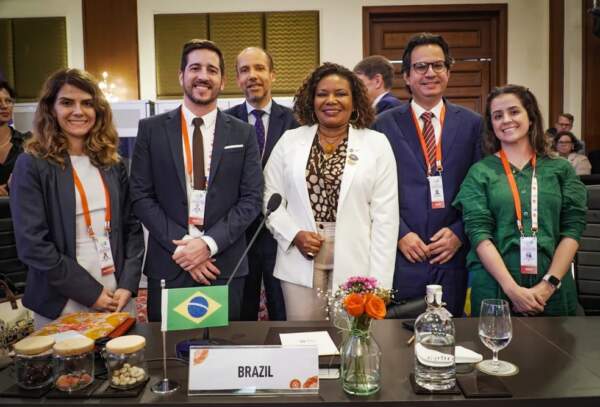
Salvador sedia entre esta segunda-feira (4) e sexta (8), a 4ª Reunião Técnica do Grupo de Trabalho (GT) de Cultura e a Reunião de Ministros de Cultura do G20, no Centro de Convenções da capital baiana.
A Reunião ministerial, que será finalizada com a “Declaração dos Ministros”, acontecerá na sexta. Já entre os dias 5 e 7 de novembro acontecerão os encontros técnicos do Grupo de Trabalho de Cultura do G20.
“A cultura precisa ser encarada como área estratégica em todas as dimensões, pois tem papel central nas políticas de desenvolvimento social de qualquer país. Ao dialogarmos com representantes de delegações dos países membros do G20 mostramos ao mundo o potencial transformador da cultura na sociedade, seu impacto na economia e no desenvolvimento sustentável e inclusivo”, disse a ministra da Cultural do Brasil, Margareth Menezes.
A terceira reunião presencial marca também o último encontro do GT presidido pelo Ministério da Cultura (MinC), também será a última reunião do ciclo de encontros temáticos do G20. Depois de Salvador, acontecerá a Reunião de Líderes do G20, no Rio de Janeiro, nos dias 18 e 19 de novembro.
O GT de Cultura iniciou as atividades em março deste ano, no formato online, e depois promoveu reuniões em Brasília e Rio de Janeiro.
Até o momento, mais de 120 autoridades estão credenciadas para o encontro na capital baiana. Entre elas estão os ministros da Cultura da Espanha, Alemanha, Índia, Arábia Saudita, Emirados Árabes, Indonésia, Angola, África do Sul, União Africana, Vice-Ministro adjunto da Rússia, Vice-Ministro do Japão, Vice-Ministro da Coreia do Sul, Vice-Ministro da China, Vice-Ministro de Portugal.
Somam-se a eles o Embaixador da União Europeia, a Embaixadora de Singapura, o Embaixador da Noruega, o Diretor-Geral adjunto da Unesco, a presidente do Conselho Internacional de Monumentos e Sítios (ICOMOS), a presidente do Conselho Internacional de Museus (ICOM) e a Diretora-Geral do Centro Regional para o Fomento do Livro na América Latina e o Caribe (CERLALC).
- 1


